



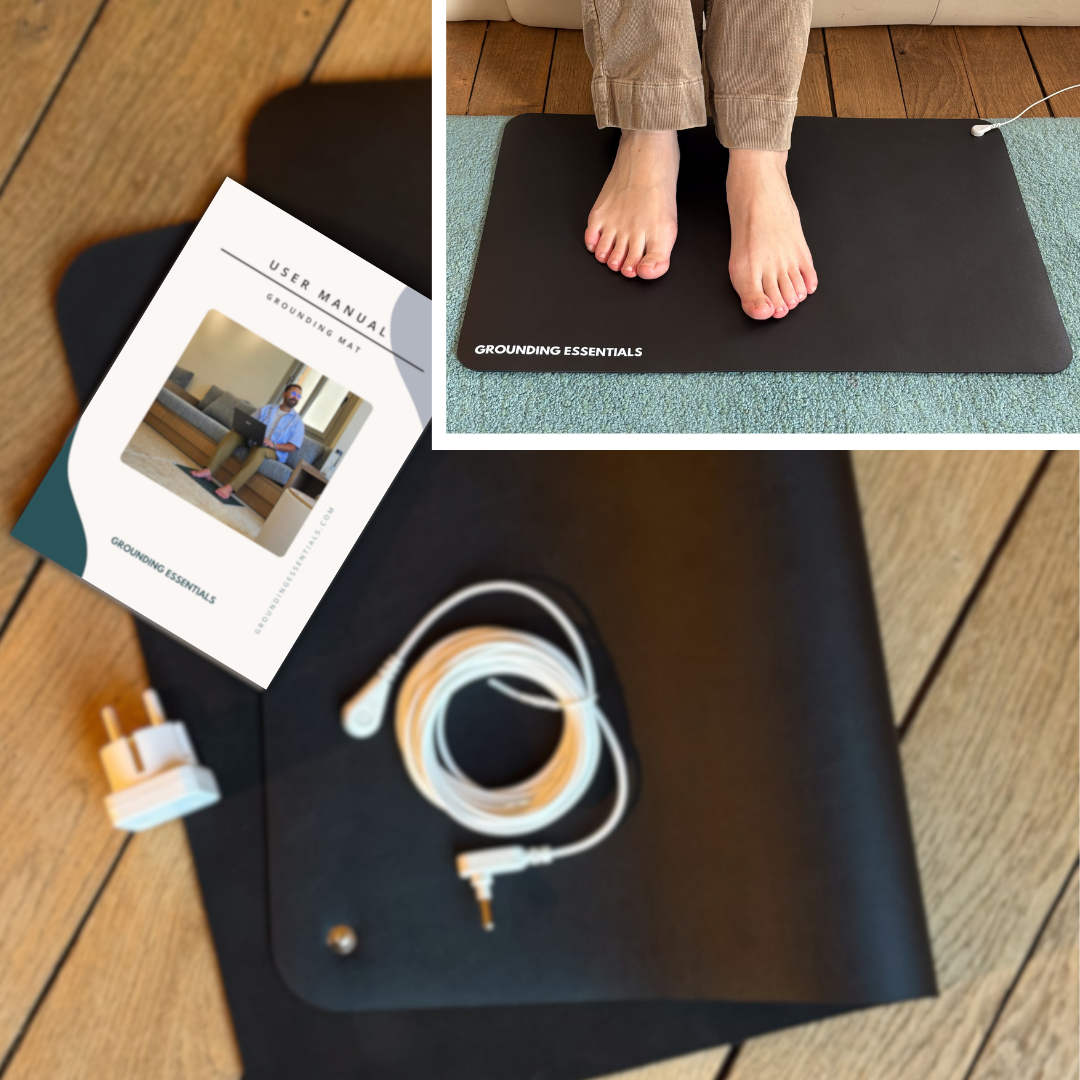
If you are considering a Grounding Mat, it is reasonable to ask whether grounding has any side effects or risks before making it part of your routine.
Current research has not identified a consistent pattern of serious adverse effects from properly used grounding products. At the same time, grounding has not been studied in large enough populations or over long enough periods to say that every possible reaction has been ruled out.
Most practical concerns involve correct setup, individual sensitivity, damaged equipment, or expectations about how grounding should feel.
Some users also describe temporary changes when they first begin grounding, but personal reports are not the same as clinically established side effects.
Here is a more practical look at what is currently known.

Can a Grounding Mat Cause Side Effects?
There is currently limited evidence that properly used grounding mats cause significant side effects in healthy adults.
Most grounding studies have focused on areas such as sleep, stress, recovery, pain, cortisol, circulation, and body voltage rather than specifically investigating adverse effects across large populations.
This means two things can be true:
- Research has not identified a clear pattern of serious grounding-related side effects.
- Research is still too limited to rule out every possible reaction or interaction.
Some people say they notice changes in sleep, relaxation, or general body awareness when they first begin grounding. Others notice nothing unusual.
Those experiences should not automatically be interpreted as medical side effects.
Sleep, stress, expectations, activity levels, medications, caffeine, and many other factors can influence how someone feels from one day to the next.
What Should a Grounding Mat Feel Like?
There is no required sensation when using a grounding mat.
You do not need to feel tingling, warmth, vibration, or another noticeable physical effect for the product to be functioning as designed.
You should not expect
- Electrical shocks
- Strong tingling
- Heat from the mat
- Pulsing or stimulation
- A feeling of electricity entering the body
A Grounding Mat is a passive conductive product. It connects through the supplied cord and plug to the grounded part of a properly grounded outlet rather than using household electricity to power the mat.
If you experience an uncomfortable electrical sensation, stop using the product and check the setup before continuing.

Can Grounding Cause Headaches, Fatigue, or Dizziness?
Online discussions sometimes mention headaches, fatigue, dizziness, vivid dreams, or unusual sleep after someone starts grounding.
At present, there is not strong clinical evidence showing that these are predictable side effects of grounding.
That does not mean a person's experience should be dismissed. It means there is not enough evidence to establish grounding as the cause.
If you develop a new symptom after starting grounding, consider stopping temporarily and monitoring how you feel.
Seek appropriate medical advice if symptoms are persistent, severe, worsening, or concerning.
Be especially cautious with claims that headaches, tiredness, or other uncomfortable symptoms mean your body is “detoxifying.”
There is no established clinical evidence that grounding causes a detox reaction.
Can Grounding Affect Sleep at First?
Sleep is one of the main reasons people explore grounding, so changes in sleep are commonly discussed.
Some users say they feel more relaxed during the first few nights. Others report sleeping differently, waking at different times, remembering dreams more clearly, or noticing no obvious difference at all.
These experiences vary considerably.
One unusual night is not enough to establish that grounding caused either a positive or negative effect.
Sleep naturally changes according to:
- Stress
- Caffeine
- Alcohol
- Exercise
- Room temperature
- Light exposure
- Medications
- Pain or illness
- Bedtime consistency
If sleep is your main reason for grounding, look for patterns over time rather than judging the experience after one night.

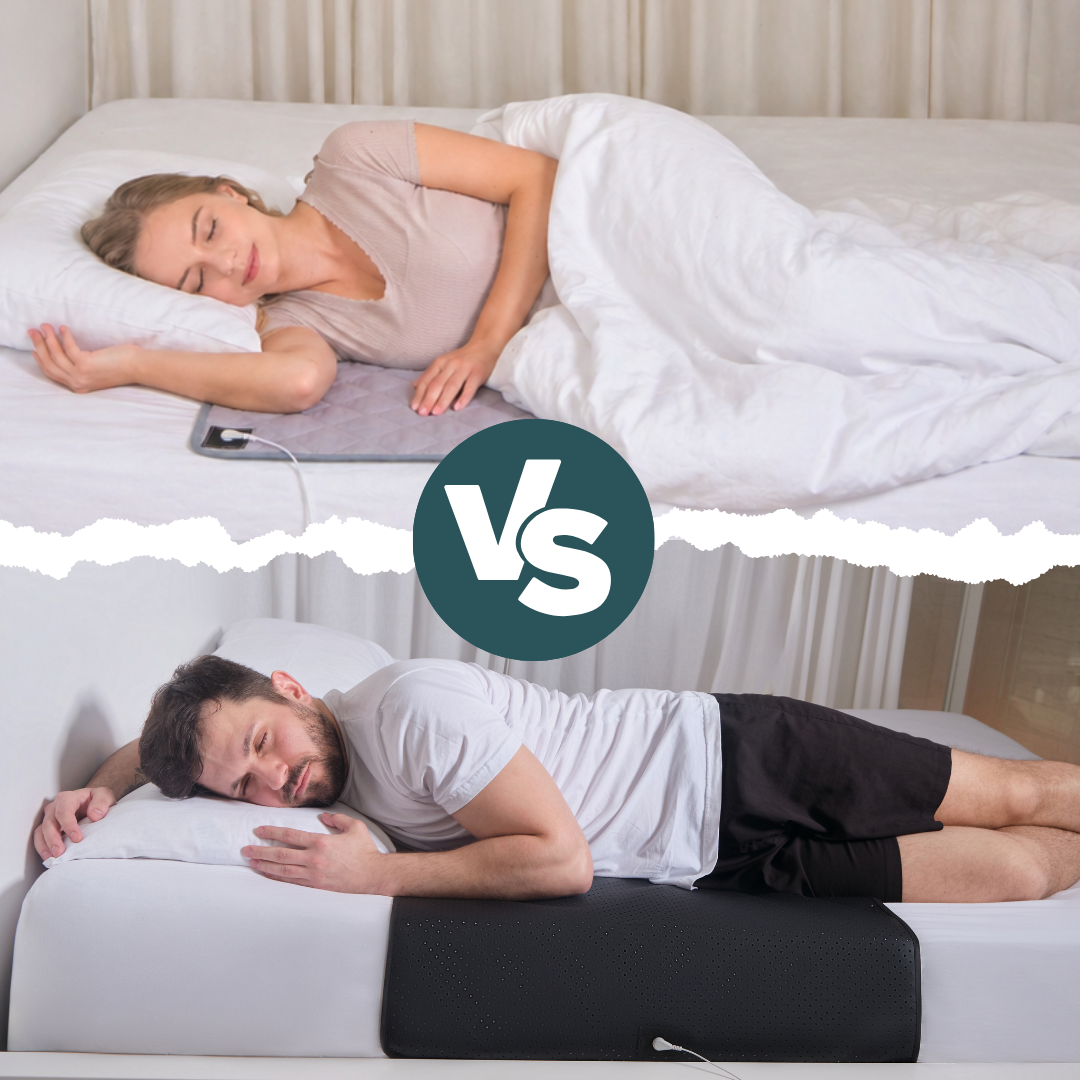
Grounding Mat vs. Grounding Bed Sheet: Are the Risks Different?
A Grounding Mat and Grounding Bed Sheet work according to the same basic grounding principle, but their materials and use differ.
Those practical differences matter more than assuming one product inherently causes more side effects.
Grounding Mat
A Grounding Mat is designed for contact through the feet, hands, arms, or other exposed skin while working, sitting, or relaxing.
Practical concerns mainly include:
- Using an unsuitable outlet
- Damaged cords or connectors
- Skin sensitivity to the surface
- Poor cord positioning
- Incorrect cleaning or care
Grounding Bed Sheet
A Grounding Bed Sheet contains conductive silver fibers and is normally used for several hours while sleeping.
Its practical considerations include:
- Skin sensitivity to the textile
- Correct washing and drying
- Residue from lotions or fabric-care products
- Maintaining conductivity over time
- Keeping the cord safely positioned beside the bed
There is currently no good evidence showing that Grounding Bed Sheets inherently cause more medical side effects than Grounding Mats.
The main differences are material, contact time, maintenance, and routine.
Can Grounding Products Irritate the Skin?
Any material that remains against the skin for long periods can potentially irritate someone who is sensitive to it.
Grounding Mats, Pads, Sheets, and Pillowcases use different materials, so sensitivity can vary between products.
If you develop redness, itching, or discomfort:
- Stop direct contact with the product.
- Make sure the surface is clean.
- Review the product materials and care instructions.
- Stop using the product if irritation continues.
Persistent or significant skin reactions should be discussed with an appropriate healthcare professional.
Does the Electrical Setup Matter?
Yes.
For an outlet-connected grounding product, a functioning ground connection is an important part of correct use.
If you have never checked the outlet before, a Grounding Socket Tester can help confirm whether it appears properly grounded.
You do not need to repeat a detailed electrical test every time you use the product.
Once the setup has been verified, focus on keeping the cord and connections in good condition.
Stop using equipment if you notice:
- Fraying
- Cracks
- Loose connectors
- Damage near the plug
- Exposed wiring
- A connection that no longer fits securely
Do not repair a damaged grounding cord with tape or substitute an unrelated cable.
For detailed outlet information, see the Grounding Outlet Safety Guide rather than turning your daily grounding routine into an electrical checklist.
What About the Safety Resistor?
Grounding Essentials grounding cords include a built-in safety resistor as an additional safety feature within the connection system.
The resistor helps limit current flow through the grounding connection.
It is one reason to use the cord supplied or recommended for the product rather than replacing it with an unrelated cable.
The cord should still be inspected periodically and replaced if damaged.
Who Should Take Extra Care?
Some situations deserve additional caution because research is limited.
If you use an implanted electrical medical device, such as a pacemaker, implanted defibrillator, neurostimulator, or another device involving electrical sensing or signaling, speak with your healthcare professional and the device manufacturer before using an outlet-connected grounding product.
This does not mean grounding has been proven to interfere with those devices. Rather, there is not enough evidence covering every device and grounding setup to assume compatibility.
Professional guidance may also be appropriate if you:
- Are pregnant and have concerns about grounding
- Have a significant medical condition
- Are undergoing active medical treatment
- Develop unexplained symptoms after beginning grounding
- Are considering grounding instead of prescribed treatment
Grounding should complement appropriate healthcare, not replace it.

What Does Research Say About Grounding Safety?
Grounding research has mainly investigated possible physiological effects rather than conducting large, long-term safety trials.
Studies have explored areas including:
- Sleep
- Cortisol rhythms
- Exercise recovery
- Pain
- Circulation
- Inflammation-related measures
- Body voltage
Some findings are interesting, but study sizes are often small.
This matters when discussing both potential benefits and possible risks.
Current evidence does not show a consistent pattern of serious adverse effects, but the research is not extensive enough to claim that grounding has been thoroughly studied across every population.
A balanced conclusion is therefore:
Grounding appears to be relatively low risk when appropriate products are used correctly, but evidence on both potential benefits and long-term safety remains limited.
For a closer look at the evidence, see What Grounding Research Studies Really Show.
Are Grounding Pad Side Effects Different?
The Grounding Pad uses the same general grounding principle but provides a smaller, flexible conductive surface.
It can be used while sleeping, sitting, or working.
There is no evidence showing that its smaller size creates a fundamentally different side-effect profile.
The practical considerations are similar:
- Use it according to the instructions.
- Keep the cord and connections in good condition.
- Follow the correct fabric-care guidance.
- Stop using it if you experience persistent skin irritation or discomfort.
The main difference is how and where you use it, not an established difference in health risk.
How to Reduce Potential Grounding Risks
Grounding does not need to be complicated.
A few practical habits cover most of the important considerations:
- Follow the instructions for the specific product.
- Verify an unfamiliar outlet before using an indoor grounding product.
- Use the supplied cord and appropriate Grounding Plug.
- Keep cords and connectors dry and undamaged.
- Replace damaged equipment.
- Keep cords away from walking paths and moving furniture.
- Follow the correct cleaning instructions.
- Stop if you experience persistent discomfort or an unusual reaction.
- Seek appropriate professional advice when your health situation or electrical setup makes you uncertain.
You do not need to continually test a setup that has already been verified and remains unchanged.
Are Grounding Mats Safe to Try?
For many people, a correctly connected Grounding Mat can be a straightforward wellness product to explore.
Current research has not identified a consistent pattern of serious adverse effects, but studies remain limited and individual responses vary.
The more realistic concerns are practical ones: unsuitable outlets, damaged equipment, poorly positioned cords, skin sensitivity, or relying on grounding when professional medical care is needed.
You also do not need to feel tingling, warmth, or another dramatic sensation for grounding to be working as designed.
Use the product correctly, keep expectations realistic, and pay attention to how you respond.
If something feels wrong, stop and investigate it rather than assuming discomfort is a sign that grounding is “working.”
A simple setup, appropriate product care, and a balanced view of the evidence are a better foundation for using grounding with confidence.



Leave a comment
This site is protected by hCaptcha and the hCaptcha Privacy Policy and Terms of Service apply.