



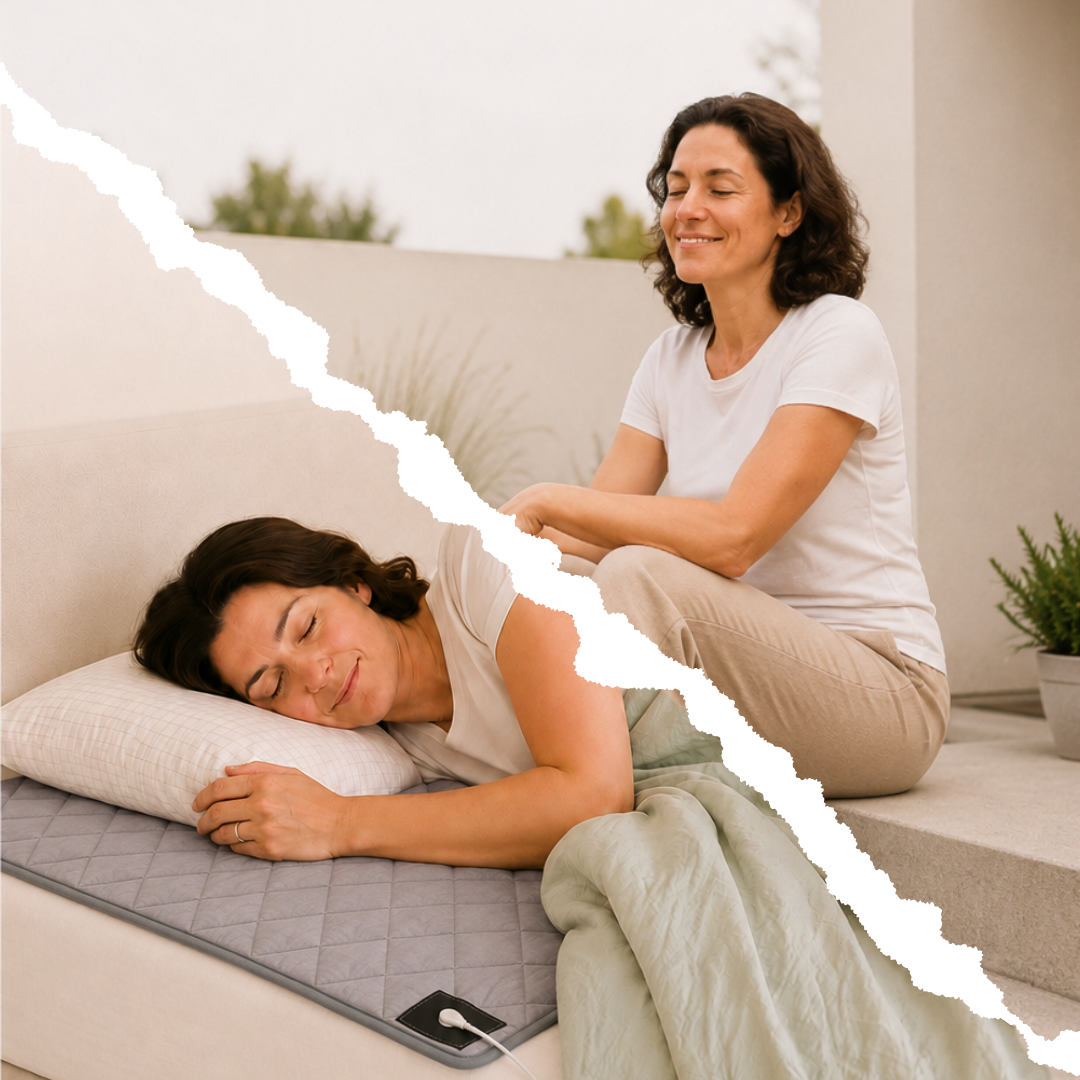
A grounding product is most useful when it fits the way you already sleep. If you move around, share a bed, travel often, or simply want to explore grounding without changing your whole setup, the best grounding tools for sleep may look different for you.
Grounding, also called earthing, means making conductive contact with the Earth. Outdoors, that can happen through bare skin on grass, soil, or sand. Indoor grounding products are designed to create a connection through a properly grounded wall outlet or a dedicated Grounding Rod.
Interest in grounding and sleep has grown because sleep provides a long, consistent period of contact. Small studies and early research have explored whether grounding may influence sleep, stress markers, body voltage, and recovery-related measures. The findings are interesting, but the research remains limited. Grounding should be viewed as a wellness practice, not a treatment for insomnia, pain, or another medical condition.
How to Choose the Best Grounding Tools for Sleep
The right product comes down to a few practical questions. How much contact do you want? Do you prefer direct contact with conductive fabric or a mat beneath your regular sheet? How much of the bed do you want covered? And which setup will be comfortable enough to use consistently?
For most people, a grounding sheet or grounding bed mat is easier to use consistently than a daytime product.
Material and care also matter. Grounding Essentials Bed Sheets and Half Sheets use organic cotton with conductive silver fibers, giving them a feel closer to conventional bedding. The Grounding Bed Mat uses a copper-infused conductive surface and sits underneath your regular fitted sheet.
A good choice should fit naturally into the way you already sleep.

Grounding Fitted Bed Sheets
A Grounding Fitted Bed Sheet is a good option for people who want a large conductive sleeping surface and direct contact with fabric.
Because it covers the mattress like a regular fitted sheet, your legs, feet, arms, or torso can make contact naturally as you move during the night. This can be particularly practical for restless sleepers who may move away from a smaller contact area.
Conductive silver fibers require more careful maintenance than ordinary bedding. Follow the supplied washing instructions and avoid bleach, fabric softeners, and other products that may affect conductivity.
A fitted sheet may suit you if you want grounding to become a regular part of your sleep routine and prefer the familiar feel of cotton bedding.
Grounding Bed Mats
A Grounding Bed Mat is a practical alternative if you want to keep using your existing fitted sheet.
Grounding Essentials Bed Mats are designed to lie across the mattress and remain secured with adjustable straps. Your regular fitted sheet goes over the mat. The product is designed to work through compatible bedding, with natural fabrics such as cotton, linen, bamboo, hemp, or silk recommended for best performance.
The Bed Mat can suit people who want a durable, lower-maintenance sleep setup without replacing their usual bedding.
Positioning matters. Choose a size and placement that keeps the mat beneath the area where your body normally rests during sleep.
Grounding Half Sheets
A Grounding Half Sheet provides another option if you want conductive fabric without replacing your entire fitted sheet.
The Half Sheet lies across your existing bedding and is secured by tucking the extra fabric beneath the mattress. Grounding Essentials Half Sheets are made with organic cotton and conductive silver fibers.
This can be a useful middle ground for people who like the feel of a grounding sheet but do not need full-mattress coverage.
Grounding Pillowcases
A Grounding Pillowcase can be a compact option for overnight grounding.
It takes up no additional bed space and may suit people who naturally maintain contact with their pillow through the face, neck, hands, or arms while sleeping.
Because contact depends more on sleeping position, a pillowcase is generally a more targeted option than a full Bed Sheet or Bed Mat. Follow the product instructions and avoid placing additional nonconductive layers over the conductive surface.
What About Grounding Mats and Pads?
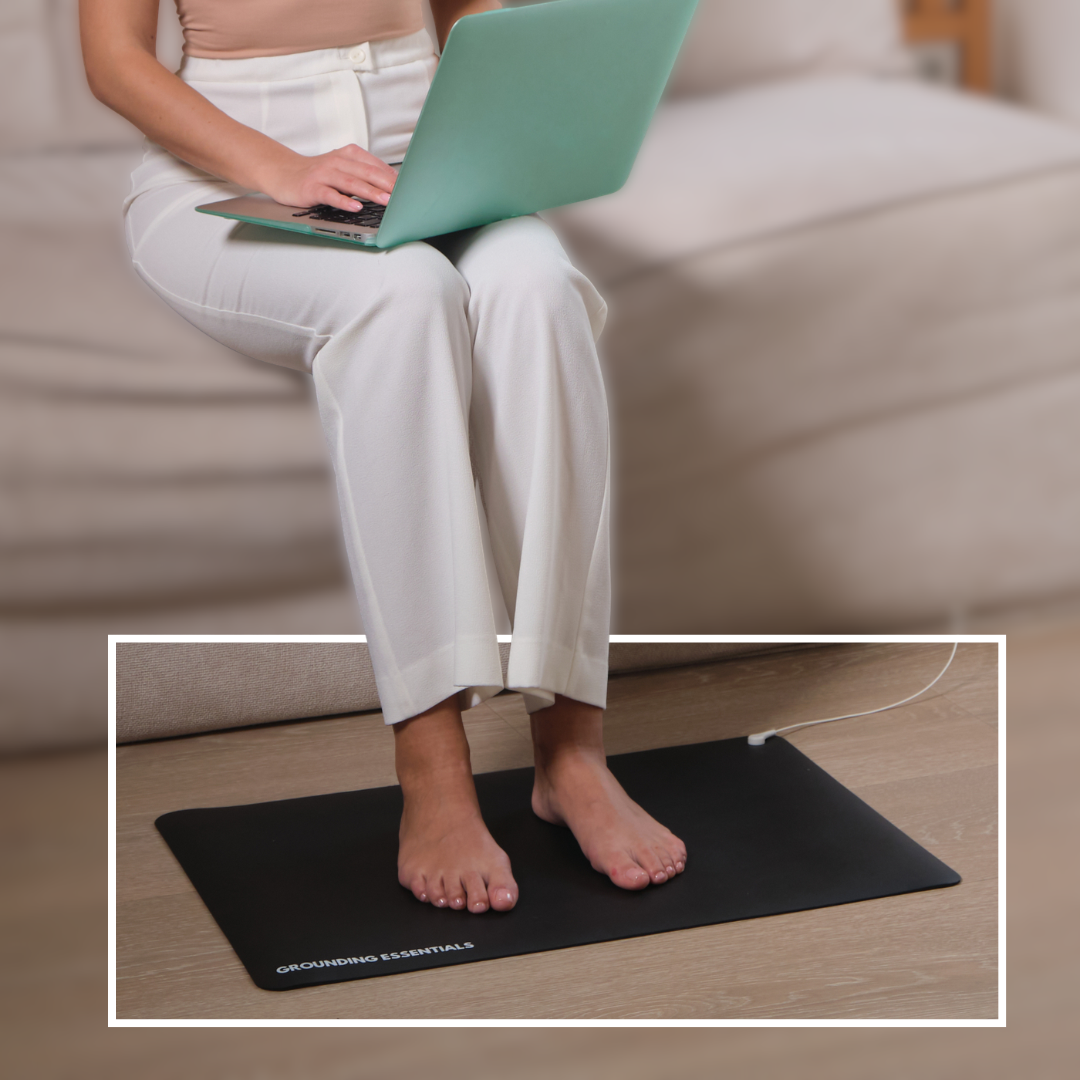
Grounding Mats and Grounding Pads are not primarily designed as full-bed sleep products, but they can still fit into an evening routine.
A Grounding Mat can be used beneath bare feet while reading, watching television, or winding down before bed. A Grounding Pad provides a smaller conductive surface for a hand, arm, leg, or foot while relaxing.
These products may suit someone who wants to explore grounding in the evening without immediately changing their bedding.
For regular overnight use, however, a Grounding Bed Sheet, Half Sheet, Bed Mat, or Pillowcase generally fits more naturally into a sleep setup.

What Does Research Actually Say About Grounding and Sleep?
A small body of research has examined grounding in relation to sleep, cortisol patterns, pain, stress, and autonomic nervous system measures.
Some studies have reported changes in self-reported sleep or physiological measurements after participants used grounding products. These results are worth following, but they do not establish that grounding reliably improves sleep for everyone.
Many studies involve small sample sizes, different grounding setups, or partly self-reported outcomes. Sleep can also change because of stress, bedtime habits, caffeine, room temperature, light exposure, medical conditions, and many other factors.
A fair expectation is simple: grounding may be a low-effort addition to a healthy sleep routine, and some people report improvements in relaxation or sleep comfort. Others notice little or no change.
Persistent insomnia, loud snoring, breathing pauses, restless legs, pain, or severe daytime fatigue should be discussed with a qualified healthcare professional.
Setup and Safety Matter
A grounding product needs a proper grounding connection to function as intended.
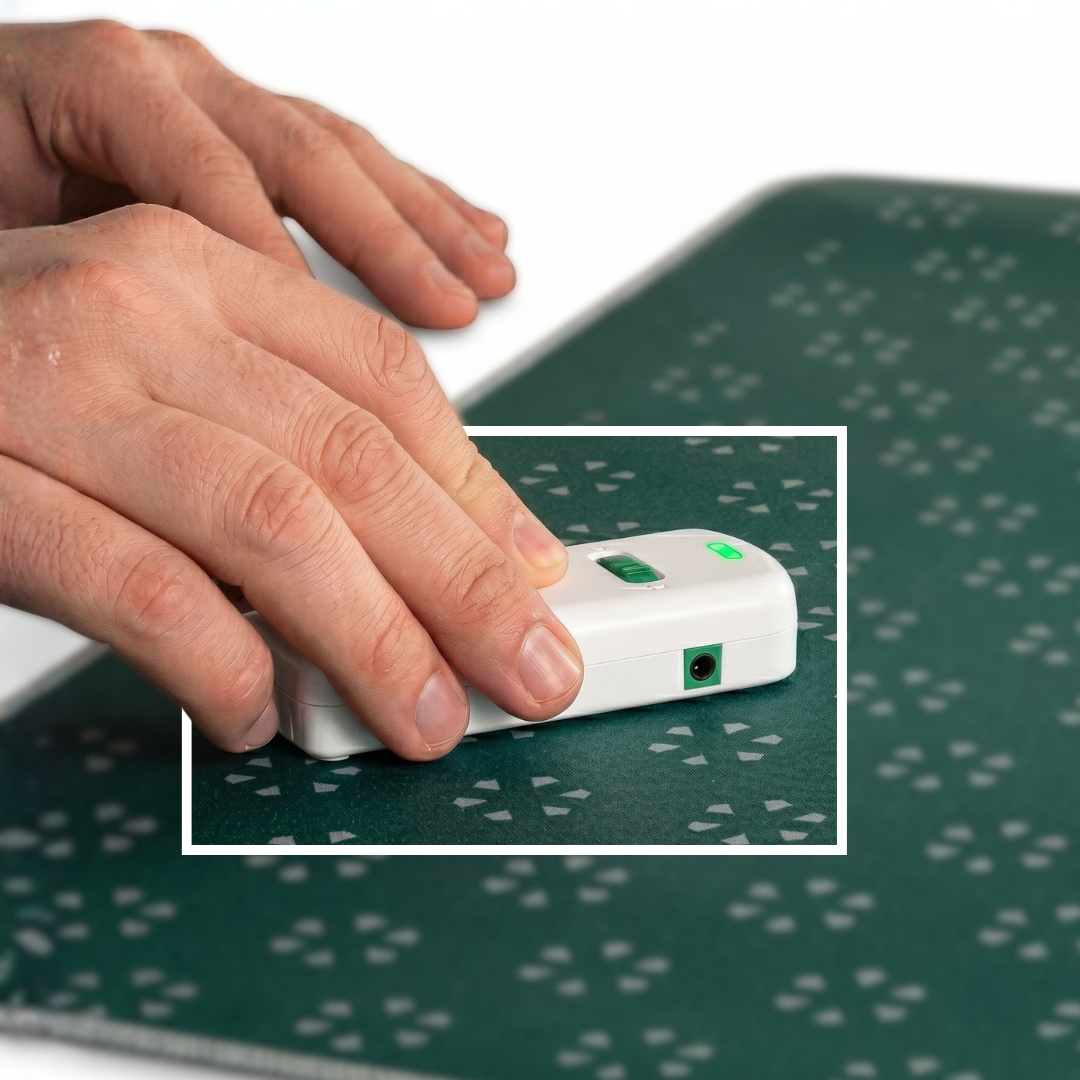
Before connecting an indoor grounding product, check your outlet with a Grounding Socket Tester. This helps confirm whether the outlet appears to have a functioning ground connection.
A Grounding Conductive Tester has a different purpose. It can be used to check the conductivity of a compatible grounding product.
In simple terms, the Socket Tester checks the outlet, while the Conductive Tester checks the product. Both are currently part of the Grounding Essentials product range.
Use the supplied grounding cord and plug, and do not improvise electrical connections. If your home does not have a suitable grounded outlet, a Grounding Rod may provide another connection option when used according to the supplied instructions.
Keep cords away from walkways and inspect them periodically for visible wear or damage.

A Simple Way to Test a Grounding Sleep Routine
Try one setup consistently for two to four weeks rather than judging it after one unusual night.
Keep the rest of your sleep routine reasonably steady. Aim for similar bed and wake times, a cool and dark bedroom, less late caffeine, and a calmer wind-down period.
You can track a few simple observations, such as how easily you fall asleep, how often you wake during the night, how rested you feel in the morning, and whether your grounding setup remained comfortable.
For people who want direct conductive fabric contact, a Grounding Bed Sheet or Half Sheet may be the most natural choice.
If you want to keep your existing fitted sheet, a Grounding Bed Mat may fit better.
A Grounding Pillowcase offers a smaller overnight option, while a Grounding Mat or Grounding Pad can fit into an evening relaxation routine before bed.
There is no single best grounding tool for everyone. Choose the product that fits your sleeping habits, feels comfortable enough to use consistently, and can be set up safely in your home.
Better sleep rarely comes from one change alone, but a simple grounding setup can become one part of a calmer, more consistent bedtime routine.

Leave a comment
This site is protected by hCaptcha and the hCaptcha Privacy Policy and Terms of Service apply.