



A long night can make even small changes feel worth trying. If you have already adjusted your room temperature, reduced late-night scrolling, and kept a more consistent bedtime, you may be asking: does grounding improve sleep? The honest answer is that it may help some people, but the research is still early and does not prove that grounding is a cure for insomnia or other sleep disorders.
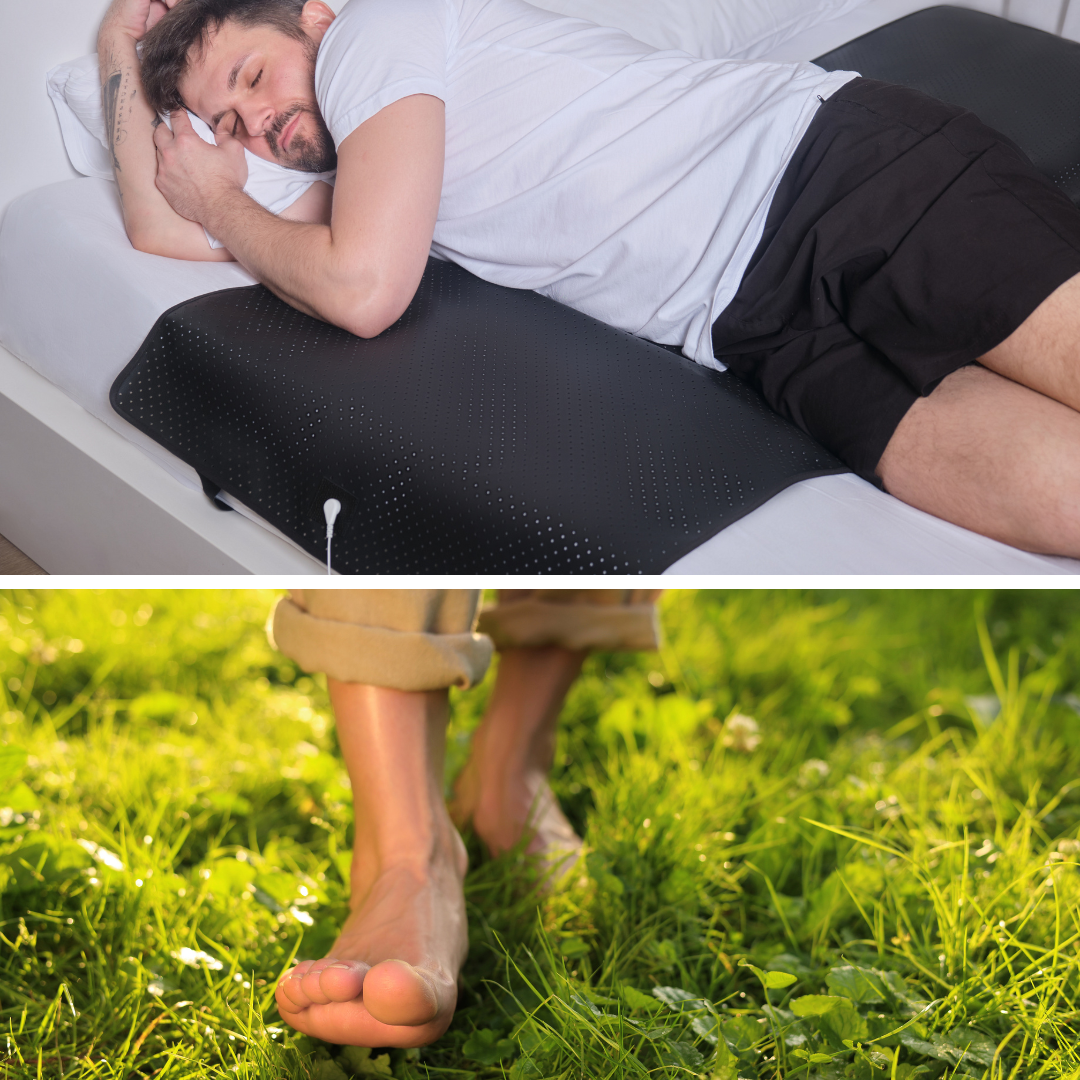
Grounding or earthing, is the practice of making direct conductive contact with the Earth. Outdoors, that can mean standing barefoot on grass, soil, or sand. Indoors, grounding products are designed to connect your body to the grounding port of a properly grounded electrical outlet, helping bring your body's electrical potential closer to Earth potential while you sleep or rest.
For people who notice a difference, the benefit is usually described in practical terms: falling asleep more easily, waking less often, feeling calmer at bedtime, or getting up feeling more restored. Those experiences are meaningful, but they are not the same as clinical proof. Here is what the current evidence can and cannot tell us.

Does grounding improve sleep according to research?
A small body of research suggests that grounding may influence sleep-related measures, including subjective sleep quality, stress, and circadian cortisol patterns. Some studies have reported improvements in participants' sleep complaints after they slept grounded. A frequently discussed early pilot study, published in 2004, found that participants who slept grounded reported better sleep and changes in cortisol rhythm over several weeks.
That result is interesting, particularly because cortisol is involved in the body's daily sleep-wake pattern. Cortisol should generally be lower at night and rise toward morning. Chronic stress, irregular schedules, illness, and poor sleep can disrupt that rhythm. If a relaxing bedtime practice supports a more stable routine, it could plausibly support sleep as well.
But the limitations matter. Much of the grounding research has involved small groups, short follow-up periods, self-reported outcomes, or study designs that need stronger replication. Researchers still need larger, well-controlled trials that compare grounding with a convincing sham setup, measure sleep objectively, and include diverse participants.
So, does grounding improve sleep for everyone? No one can responsibly promise that. The evidence is promising enough to justify further research and a thoughtful personal trial, but not strong enough to replace established sleep care or medical advice.
Why grounding could affect how you sleep
The proposed explanations for grounding are still being investigated. One is electrical: the human body can pick up voltage from the surrounding environment, especially indoors near electrical systems. Grounding may reduce this induced body voltage by connecting the body to Earth potential. This is measurable with a body-voltage meter, but a reduction in voltage alone does not prove a health benefit.
Another theory focuses on the nervous system. A calmer pre-sleep state can make sleep easier. For some people, the simple ritual of lying on a grounding bed mat, slowing their breathing, and stepping away from stimulating habits may help signal that the day is over. That effect could involve grounding itself, the routine surrounding it, personal expectations, or a combination of factors.

There are also hypotheses around inflammation, circulation, and stress physiology. These areas are often discussed in grounding research, but they should be treated as emerging science, not settled fact. Sleep is influenced by dozens of factors, from caffeine timing and alcohol use to pain, menopause, anxiety, sleep apnea, medications, light exposure, and bedroom temperature. A grounding sheet cannot reliably overcome all of them.
What a realistic grounding trial looks like
If you are curious, approach grounding as one part of your sleep environment rather than a one-night test. Sleep naturally varies from night to night. Giving a new practice several weeks while keeping the rest of your routine relatively stable offers a fairer picture.
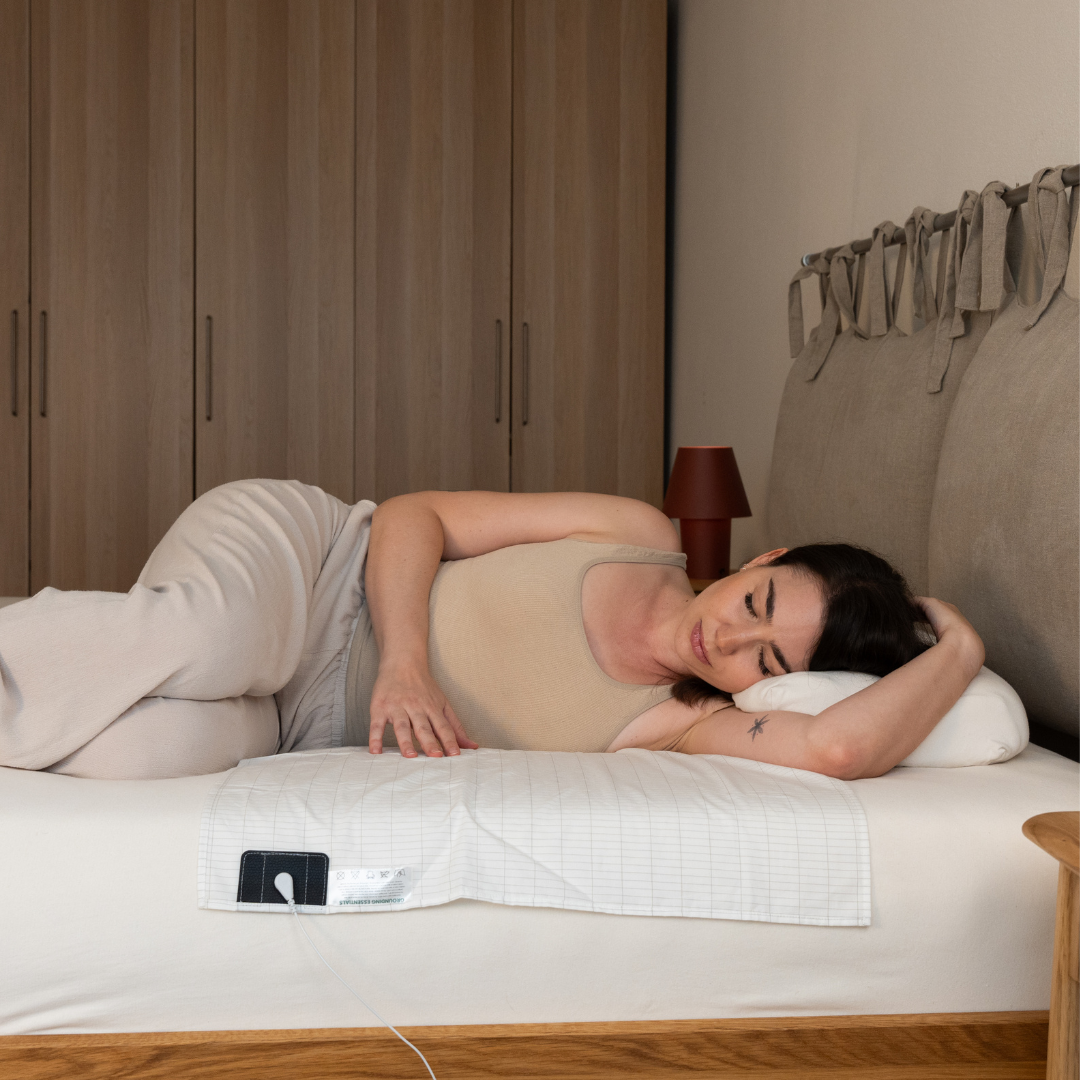
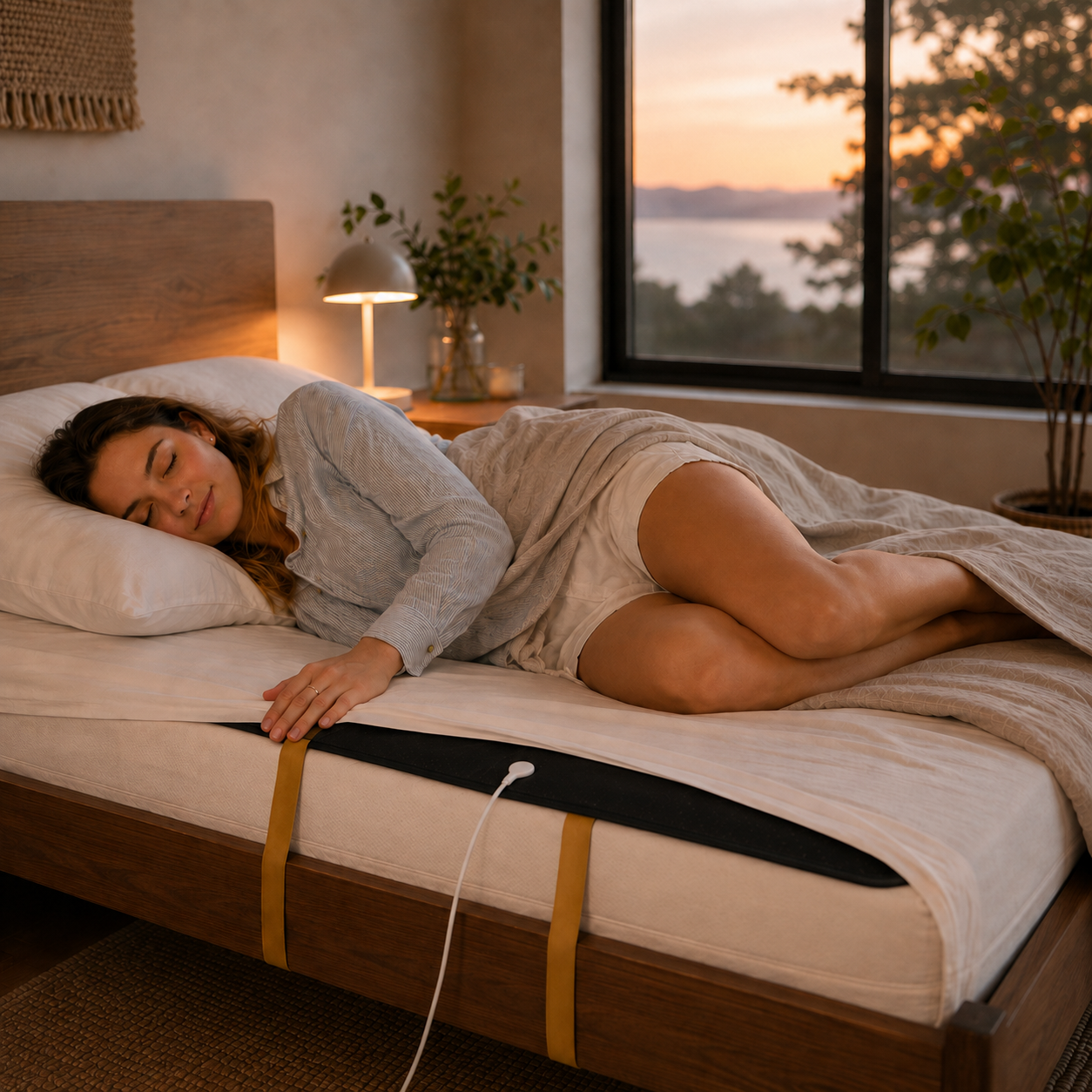
Start by choosing a consistent setup. A grounding bed sheet, bed mat, or sleep pad can be placed where bare skin will touch it while you sleep. Many people prefer a fitted sheet because it offers full-body contact; a mat or pad can be a practical alternative if you want to test the experience without changing your whole bedding setup. Skin contact matters, although you do not need to force an uncomfortable sleeping position.
Before connecting any grounding product, verify that the outlet is correctly grounded. Use a compatible socket tester and follow the product instructions exactly. Never connect a grounding product to an untested outlet, a damaged extension cord, or an improvised electrical setup. Grounding products are designed to use the outlet's ground connection, not electrical power.
Then track a few simple markers for two to four weeks. Notice how long it seems to take to fall asleep, how often you wake, how rested you feel in the morning, and whether your evening stress feels different. A brief note on your phone or a paper sleep diary is enough. Look for a pattern, not perfection.

Give grounding a fair chance without overdoing it
A useful experiment controls the basics. Keep your wake time reasonably consistent, avoid changing several major habits at once, and make your room as sleep-friendly as possible. If you start magnesium, quit caffeine, buy blackout curtains, and begin grounding in the same week, you will not know which change helped.
Grounding is most likely to be useful as a low-effort addition to an already solid routine. Keep lights dim in the hour before bed, reserve the bed for sleep when possible, and choose a cool, quiet room. If racing thoughts are your main obstacle, pair your grounding time with a calming practice such as gentle stretching, reading, or a few minutes of slow breathing.
It is also reasonable to stop if the setup feels inconvenient, causes skin irritation, or makes you more focused on whether you are sleeping. Sleep can become harder when it turns into a performance project. Comfort and consistency matter more than trying to optimize every variable.
When poor sleep needs more than a wellness tool
Grounding can be a complementary wellness practice, but it is not a treatment for sleep disorders. Talk with a qualified healthcare professional if you snore loudly, gasp or stop breathing during sleep, have severe daytime sleepiness, experience persistent insomnia, or notice major changes in mood or functioning. These can be signs of conditions that deserve proper assessment.
The same applies if pain, anxiety, medication changes, or a chronic health condition is interfering with sleep. A grounding product may be something you choose to try alongside professional care, but it should not delay diagnosis or replace a care plan.
For people who simply want a practical, non-drug addition to their nightly routine, a well-made grounding sleep product can be a reasonable experiment. Grounding Essentials designs grounding sheets, grounding mats, and grounding pillowcases for this purpose, with clear setup guidance and a trial period so you can assess your own experience without needing to make a leap of faith.

The best way to judge your results
The most useful question is not whether grounding works in theory. It is whether it helps you sleep better in a safe, comfortable, repeatable way. Give it enough time, keep expectations realistic, and pay attention to changes that matter in daily life: easier mornings, fewer restless nights, and a steadier sense of recovery.
If you notice no difference after a consistent trial, that is useful information too. Keep the sleep habits that serve you, investigate persistent symptoms with a clinician, and choose wellness tools based on both evidence and your own experience.

Leave a comment
This site is protected by hCaptcha and the hCaptcha Privacy Policy and Terms of Service apply.