



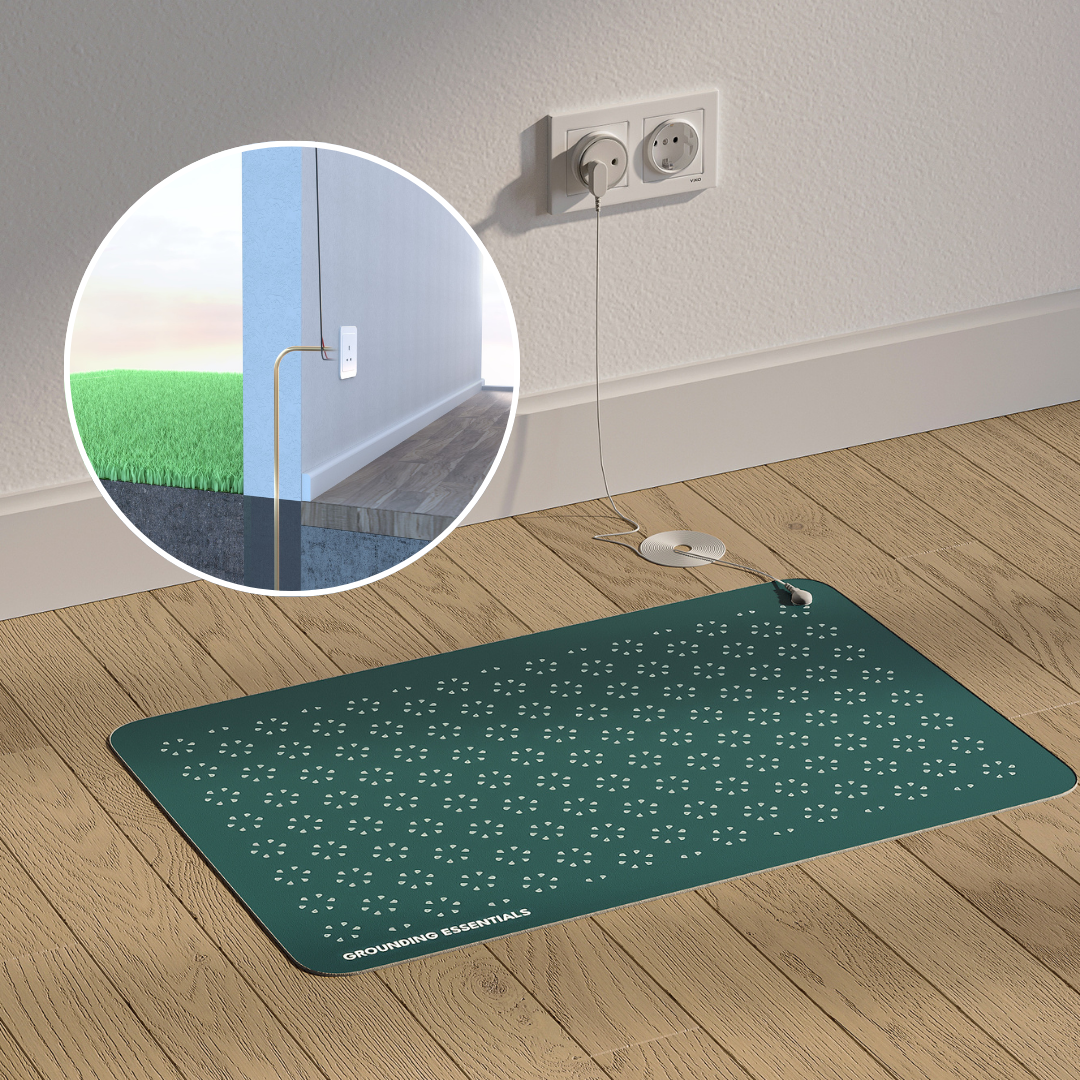
A grounding product should never feel like an electrical experiment. Grounding sheets, mats, and other indoor products are designed to connect to the grounded part of a properly grounded outlet, not to the electrical contacts that power household appliances.
So, are grounding products safe?
When Grounding Essentials products are used as instructed, with the correct cord and plug and a properly grounded outlet, they are designed for everyday grounding use. The products themselves do not require electricity to operate, and no household electricity is intended to flow through the product or your body.
Safe use still depends on correct setup, undamaged equipment, a functioning grounding connection, and following the instructions for the specific product.
Grounding should also be treated as a wellness practice rather than a medical treatment. It should not replace professional care for sleep problems, pain, cardiovascular concerns, or another health condition.

How Grounding Products Connect
Indoor grounding products use conductive materials to create a connection between your body and the grounding system of a properly wired outlet.
Different Grounding Essentials products use different conductive surfaces.
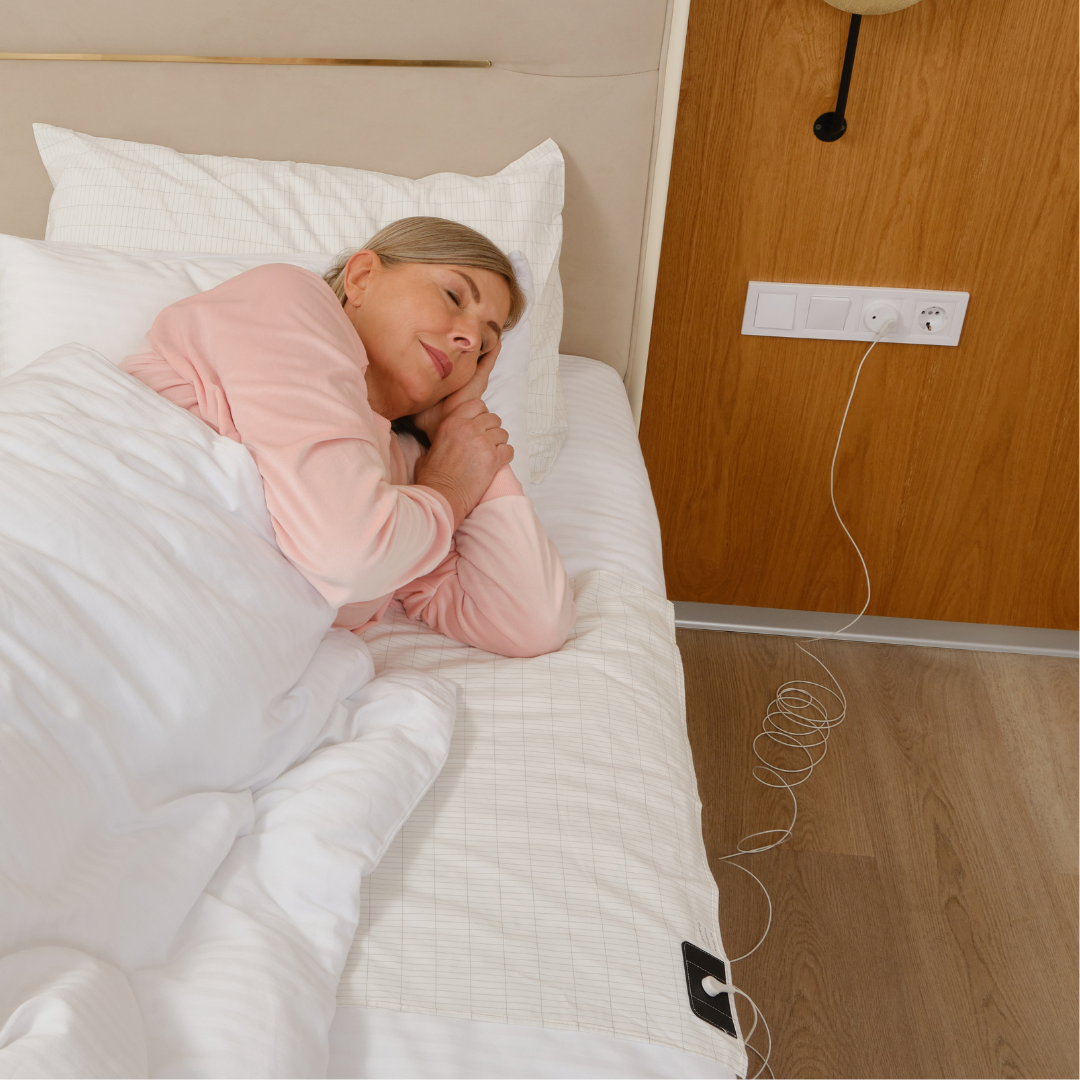
For example, Grounding Bed Sheets, Half Sheets, and Pillowcases use conductive silver fibers woven into the fabric. Grounding Mats and Bed Mats use conductive surfaces designed for their particular use.
A grounding cord connects the product to a Grounding Plug made for your country or region.
The important distinction is that the connection uses the grounded part of the outlet, not the powered electrical contacts.
Grounding Essentials cords also include a built-in 98k ohm safety resistor, providing an additional safety feature within the connection system.
The Outlet Matters as Much as the Product
A grounding product relies on the grounding system it is connected to.
An outlet may look suitable without having a properly functioning ground connection, particularly in older properties or after electrical modifications.
For this reason, Grounding Essentials offers a Grounding Socket Tester to check whether an outlet appears to be properly grounded before you connect an indoor grounding product.
If an outlet does not show the correct result, do not use it for grounding. Try another tested outlet or ask a qualified electrician to inspect the wiring.
Do not modify plugs, insert makeshift wires into an outlet, or try to create a grounding connection through radiators, plumbing, or other household fixtures.
A grounding product cannot correct faulty electrical wiring.

Socket Tester vs. Conductive Tester
Because this article is specifically about safety, it is worth understanding the difference between the two Grounding Essentials testing tools.
The Grounding Socket Tester checks the outlet.
The Grounding Conductive Tester checks whether a compatible grounding product is conductive.
They answer different questions.
A sheet or mat may still be conductive even if the outlet being used is not correctly grounded. Checking the outlet first helps confirm that the grounding pathway itself is available.
You do not need to perform an elaborate test every time you use your product. Testing is most useful when setting up a product for the first time, changing outlets, moving home, or troubleshooting a setup that no longer seems to be working as expected.
Check the Product Before You Use It
Before connecting an indoor grounding product, take a quick look at its components.
Do not use a cord or plug that is visibly frayed, cracked, bent, loose, or otherwise damaged.
The product's connection point should also be secure and dry.
Position cords where they will not be pulled tightly, trapped beneath heavy furniture, caught in an adjustable bed frame, or create a trip hazard.
Use the grounding cord and plug designed for the product rather than substituting an unrelated cable or adapter.
These simple checks are more useful than turning grounding into a complicated electrical routine.
Safe Use Depends on the Product
Grounding Essentials offers several types of grounding products, and they are not all used in exactly the same way.
Grounding Bed Sheets, Half Sheets, and Pillowcases
Grounding Bed Sheets, Half Sheets, and Pillowcases use conductive fabric intended for contact while you sleep.
Direct skin contact provides the clearest connection, although the amount of contact does not need to be large.
Follow the supplied washing and care instructions because harsh detergents, bleach, fabric softeners, and residue can affect conductive textiles over time.
Grounding Bed Mat
A Grounding Bed Mat is designed specifically for overnight use.
It sits across the mattress underneath a compatible fitted sheet, allowing you to keep your preferred bedding while using a conductive mat beneath it.
Use the supplied straps and positioning instructions so the mat remains secure throughout the night.
Grounding Mat, Mouse Mat, and Pad
A Grounding Mat is intended for flexible daytime use, such as beneath your feet while working or relaxing.
A Grounding Mouse Mat allows contact through the hand or wrist while using a computer, while a Grounding Pad provides a smaller conductive surface that can be positioned where it feels comfortable.
The safest setup is also usually the simplest: place the product where you can make comfortable contact without changing your posture or creating a cord hazard.
What About Grounding Shoes, Socks, and Sandals?
Not every Grounding Essentials product relies on a wall outlet.
Grounding Barefoot Shoes use conductive elements in the sole to create a connection when walking on suitable conductive outdoor surfaces such as grass, soil, sand, or concrete. They do not plug into electricity.
Grounding Socks contain conductive silver fibers and are designed to work with compatible grounding products, including mats, grounding footwear, and sandals.
Grounding Sandals similarly provide another footwear-based option for outdoor grounding.
These products have different setup considerations from grounding sheets and mats, so always follow the instructions supplied with the specific product rather than assuming every grounding product works through a wall outlet.

Who Should Take Extra Care?
Grounding products are wellness products, not medical devices.
If you use an implanted electrical medical device, such as a pacemaker, implanted defibrillator, neurostimulator, or another device that uses electrical sensing or signaling, discuss grounding with your healthcare professional and the device manufacturer before use.
The same cautious approach is appropriate if you have a significant medical condition and are unsure whether grounding fits alongside your existing treatment.
Grounding should never be used as a reason to stop medication, postpone medical evaluation, or replace prescribed treatment.
If direct contact with a grounding textile or mat causes skin irritation or discomfort, stop using the product and check the material and care instructions before continuing.
Grounding Products Do Not Promise Medical Results
Product safety and health effectiveness are separate questions.
A correctly connected grounding product can perform its technical function without guaranteeing better sleep, less pain, reduced inflammation, or faster recovery.
Research has explored grounding in areas including sleep, stress, pain, circulation, cortisol patterns, body voltage, and recovery. Some findings are encouraging, but the evidence is still developing and larger independent studies are needed.
Be cautious with claims that grounding cures disease, eliminates inflammation, replaces medication, or protects you from every electromagnetic field.
Grounding is more appropriately viewed as one optional part of a broader wellness routine.
A Complete Setup Can Make Getting Started Simpler
If you are new to grounding and want both the products and tools needed to check your setup, a bundle can make the process easier.
The Ultimate Grounding Starter Pack currently includes a Large Grounding Bed Mat, Grounding Mat, two Grounding Pillowcases, a Socket Tester, a Conductive Tester, grounding cords, plugs, and a user manual.
For people primarily interested in sleep, the Recharge While Sleeping Bundle includes a Grounding Bed Sheet, two Grounding Pillowcases, both testing tools, cords, plugs, and instructions.
You do not need a bundle to ground safely. The benefit is convenience if you already want several products and would prefer a complete setup with compatible accessories.
A Practical Approach to Grounding Safely
Safe grounding does not need to be complicated.
Choose a product that fits your routine. Use the cord and plug supplied for that product. Check the outlet before connecting an indoor grounding product. Keep cords and connectors in good condition, and follow the specific setup and care instructions.
If something about the outlet or wiring seems uncertain, ask a qualified electrician rather than improvising.
Most importantly, keep realistic expectations. Grounding can be explored as a simple wellness practice, but it should complement rather than replace the habits and professional care that support your health.
A correctly connected product, a verified grounding pathway, and sensible use are the foundations of a safe grounding routine.


Leave a comment
This site is protected by hCaptcha and the hCaptcha Privacy Policy and Terms of Service apply.