



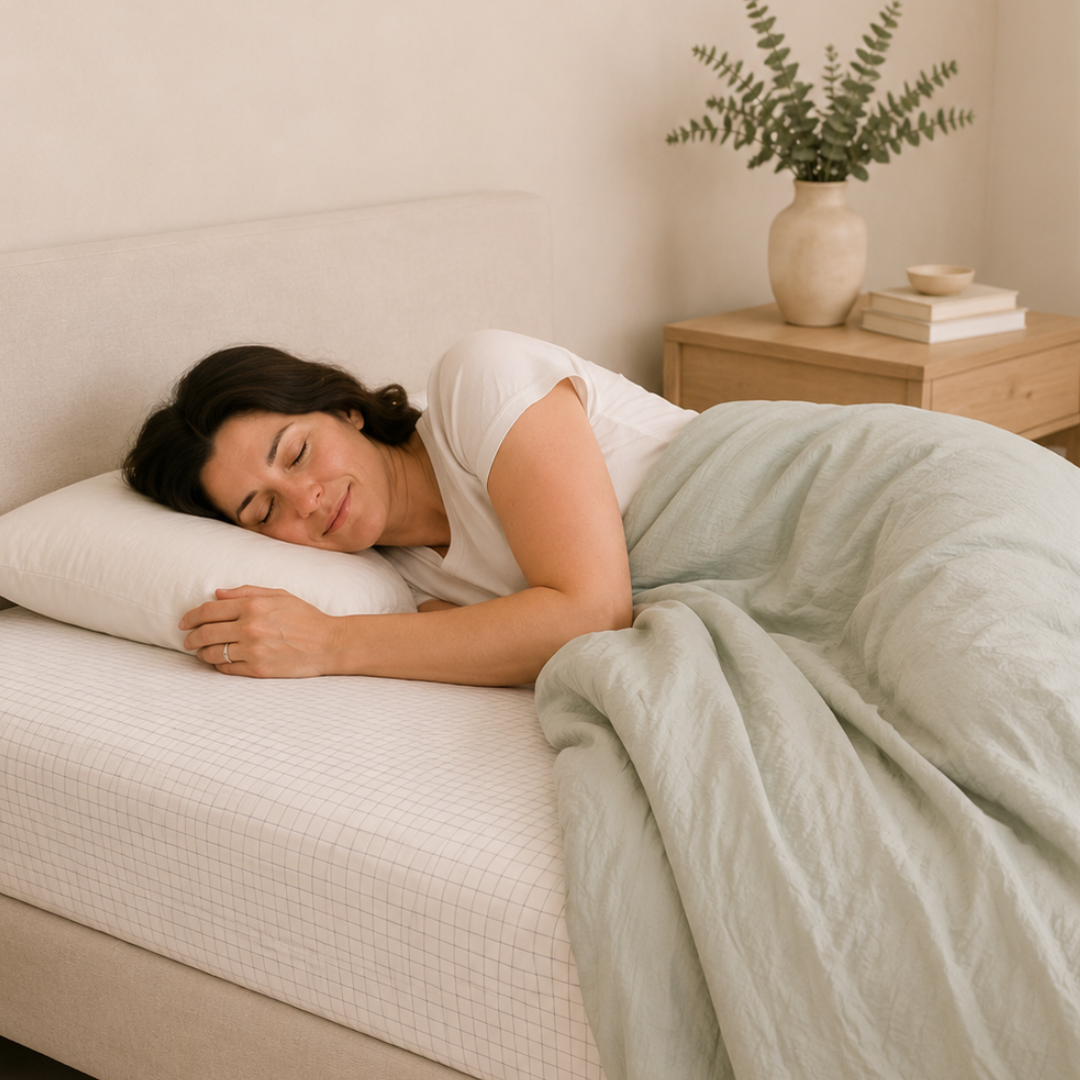
Pain can make even a good routine feel difficult. When sleep is interrupted, training recovery feels slower, or everyday stiffness keeps returning, it is understandable to look for supportive habits beyond another quick fix. Grounding pain relief is one option people explore, usually alongside better sleep, movement, stress management, and appropriate medical care. The key is to approach it with curiosity and realistic expectations.
Grounding, also called earthing, means making direct conductive contact with the Earth. Outdoors, that may mean bare feet on grass, soil, sand, or unsealed stone. Indoors, grounding products connect to the grounding port of a properly grounded electrical outlet, allowing the body to be electrically connected while you sleep, work, stretch, or rest.
Some people report feeling less discomfort, greater relaxation, or easier recovery when they use grounding consistently. Early research is interesting, but it is not strong enough to establish grounding as a treatment for pain or any medical condition. That distinction matters, especially if pain is persistent, severe, new, or worsening.
How Grounding May Relate to Pain Relief
The proposed mechanism behind grounding is electrical, not mystical. The Earth has a large supply of free electrons and a stable electrical potential. When a grounded person comes into conductive contact with it, their body voltage relative to the Earth can decrease. This is measurable with a body-voltage meter.

Researchers have proposed that this contact could influence factors related to comfort and recovery, including sleep, stress physiology, circulation, and inflammatory processes. A number of small studies and case reports have explored these ideas. Some have reported changes in sleep, cortisol patterns, blood viscosity measures, or self-reported pain and wellbeing.
That is promising, but it is not the same as proof. Many grounding studies have small sample sizes, short durations, or designs that make it difficult to separate grounding from expectation, changes in routine, or other influences. More independent, well-controlled research is needed before specific health claims can be made.
For someone living with discomfort, this means grounding may be reasonable to try as a low-effort wellness practice, but it should not replace an assessment, prescribed treatment, physical therapy, or medication recommended by a qualified clinician.
Why sleep and relaxation may be part of the picture
Pain and poor sleep can reinforce each other. A difficult night can lower pain tolerance the next day, while discomfort can make it harder to fall asleep or stay asleep. Stress can add another layer by increasing muscle tension and making the nervous system more reactive.
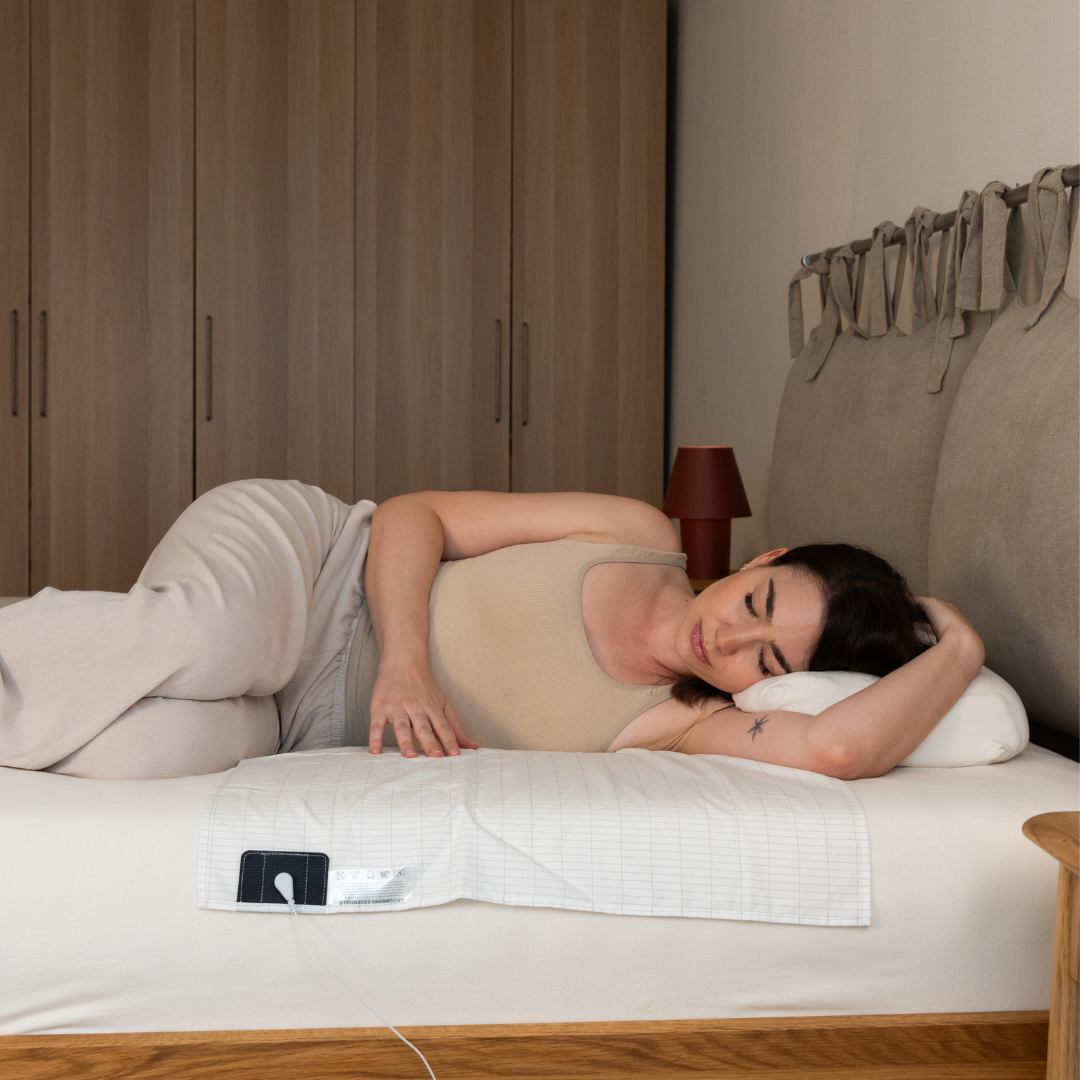
This is where grounding may fit best for many people. Rather than expecting an immediate solution for a painful joint or chronic condition, some users incorporate grounding into an evening routine designed to support rest: consistent bedtimes, a cool dark room, less late-night screen time, gentle mobility work, and a grounding sheet or grounding bed mat.
If grounding helps a person feel calmer or sleep more comfortably, that could indirectly support how they experience daily discomfort. Individual experience is meaningful, but it is still individual experience. It cannot predict the result for everyone.

What the Research on Grounding Pain Relief Actually Says
The current body of research is best described as early and developing. Small pilot studies have examined grounded sleep and reported improvements in subjective sleep, stress, pain, and fatigue measures for some participants. Other research has looked at physiological markers that may be relevant to recovery and inflammation.
These findings deserve attention, but they also deserve careful interpretation. A study can show an association or a short-term change without proving that grounding will reliably relieve pain across different populations. When considering grounding for back pain, arthritis, nerve pain, post-exercise soreness, headaches, or pain caused by an injury, it is important to remember that these conditions do not have the same cause. It would be misleading to treat them as one problem with one answer.
The practical takeaway is balanced: grounding has a plausible physical basis and an emerging research base, yet it remains a complementary wellness practice rather than a proven pain therapy. Anyone claiming guaranteed results is going beyond the evidence.
How to Try Grounding Safely at Home
Outdoor grounding is the simplest starting point. Spend 15 to 30 minutes sitting or walking barefoot on a natural, conductive surface when conditions are safe and comfortable. Dry wood, plastic, asphalt, rubber soles, and many synthetic surfaces are not conductive in the same way, so they do not provide the same connection.
For a more consistent routine, especially during colder months or while sleeping, an indoor grounding product can be practical. Grounding sheets, mats, and bed mats contain conductive materials that connect through a cord to the grounding port of a properly grounded outlet. They do not run electricity into the body. Their purpose is to connect you to the outlet's grounding system.
Before using any indoor product, verify that the outlet is properly grounded with a suitable outlet tester. This is a basic safety step, not an optional extra. Do not use damaged cords or products, and follow the setup and care instructions provided by the manufacturer.
At Grounding Essentials, products are designed for simple, repeatable use, but the routine matters more than chasing perfection. Someone considering a grounding mat for neuropathy or other ongoing discomfort should view it as a complementary wellness product rather than a treatment. Choose the format that fits your life. A grounding bed mat may suit someone who wants overnight contact, while a grounding mat can make sense for long workdays and a grounding mouse mat may be a practical option for staying connected while working at a desk.

Give it enough time to evaluate fairly
Pain levels naturally change from day to day, so one afternoon is rarely enough to judge any wellness tool. Try grounding consistently for two to four weeks while keeping the rest of your routine relatively stable. Notice patterns rather than searching for a dramatic moment.
A simple daily note can help. Track sleep quality, morning stiffness, discomfort level, stress, activity, and whether you used the grounding product. If you also start a new exercise program, change medication, travel, or have an unusually stressful week, write that down too. Context helps you avoid giving one habit too much credit or blame.
Grounding Works Best as Part of a Wider Plan
For everyday aches linked to inactivity, training, tension, or poor sleep, grounding may be one supportive piece of a broader recovery routine. The basics still carry real weight: regular movement, strength work appropriate to your ability, enough protein and fluids, sleep consistency, stress reduction, and ergonomic support during work.
For pain with a known medical cause, the plan may need to be more specific. Arthritis, sciatica, migraines, autoimmune conditions, injury-related pain, and neuropathy all deserve individualized guidance. The same caution applies when researching fibromyalgia grounding, as current evidence does not establish grounding as a treatment for fibromyalgia. For people considering grounding for neuropathy, the question does grounding help neuropathy cannot currently be answered with strong clinical evidence. Grounding can be discussed as a complementary comfort practice, but it should not delay care.
Seek medical advice promptly for sudden severe pain, chest pain, pain after a significant injury, fever with pain, unexplained weight loss, weakness, numbness, loss of bladder or bowel control, or symptoms that steadily worsen. These are not situations for self-experimentation alone.
A More Useful Question Than “Does It Work?”
The better question is: does grounding make a meaningful, sustainable difference for you, without replacing the care you need? Some people notice a change in relaxation or sleep within days. Others notice nothing, and that is a valid outcome too. Grounding does not work the same way for everyone.
If you decide to try it, start simply. Check your outlet, use a quality product correctly, maintain the routine long enough to observe patterns, and keep your expectations grounded in the evidence. Comfort often comes from small, repeatable habits that support your body over time, not from a single promised cure.


Leave a comment
This site is protected by hCaptcha and the hCaptcha Privacy Policy and Terms of Service apply.