



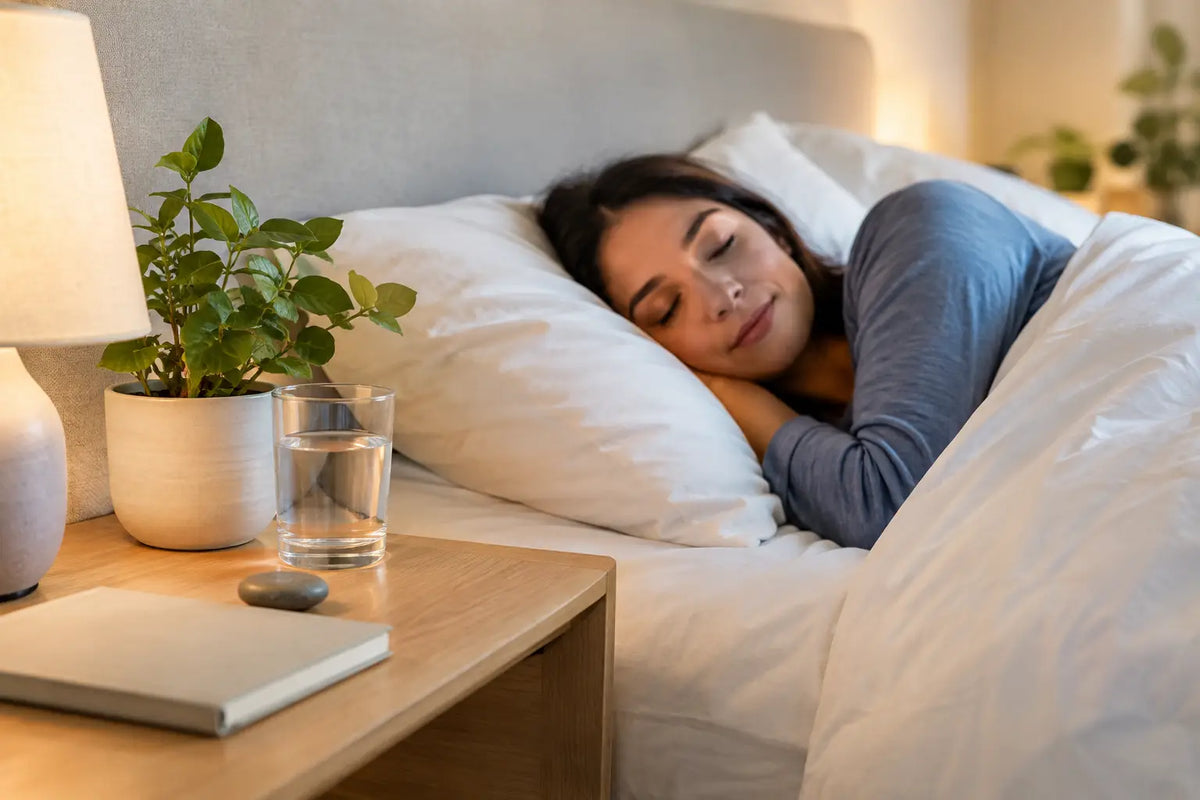
A restless night rarely begins when your head hits the pillow. It often starts hours earlier with bright screens, late work messages, an irregular dinner, or a bedroom that asks your nervous system to stay alert. This sleep routine grounding guide brings the focus back to the habits and environment that support rest - including grounding as one optional part of a consistent bedtime practice.
Grounding, also called earthing, means making direct conductive contact with the Earth outdoors or using an indoor product designed to connect to a properly grounded outlet. Some people use grounding bed sheets, mats, or sleep pads because they want to explore whether it helps them feel more settled at night. The research is promising in places, but still limited. A good routine should never depend on one tool or one dramatic claim.
Start with the foundations that make sleep easier
The highest-impact sleep habits are usually the least glamorous. Your body relies on regular timing and predictable cues to regulate its sleep-wake cycle. If bedtime moves by several hours from one night to the next, even a well-designed bedroom can struggle to compensate.
Choose a realistic wake-up time first. Keeping it broadly consistent, including on weekends, gives your circadian rhythm a reliable anchor. Then work backward to create a wind-down period of 30 to 60 minutes. This does not need to look like a perfect wellness ritual. It simply needs to signal that demanding tasks are over.
Light matters especially. Morning daylight helps reinforce daytime alertness and supports the body’s natural timing for sleep later on. In the evening, reduce intense overhead lighting where possible and avoid bringing work into bed. A phone in another room is ideal for some people; for others, changing it to grayscale or using a basic alarm clock is a more achievable first step. The best routine is the one you can repeat.
Caffeine, alcohol, exercise, and meals also deserve an honest look. Caffeine can affect sleep long after its energizing effect feels gone, while alcohol may make falling asleep easier but can fragment sleep later in the night. Late vigorous workouts are fine for some people and disruptive for others. Track your own pattern rather than following a rigid rule that does not fit your life.
Where grounding fits into a sleep routine
Grounding is not a substitute for treatment for insomnia, sleep apnea, chronic pain, anxiety, or any other health condition. It is a complementary wellness practice that some people choose to add to a stronger sleep foundation.
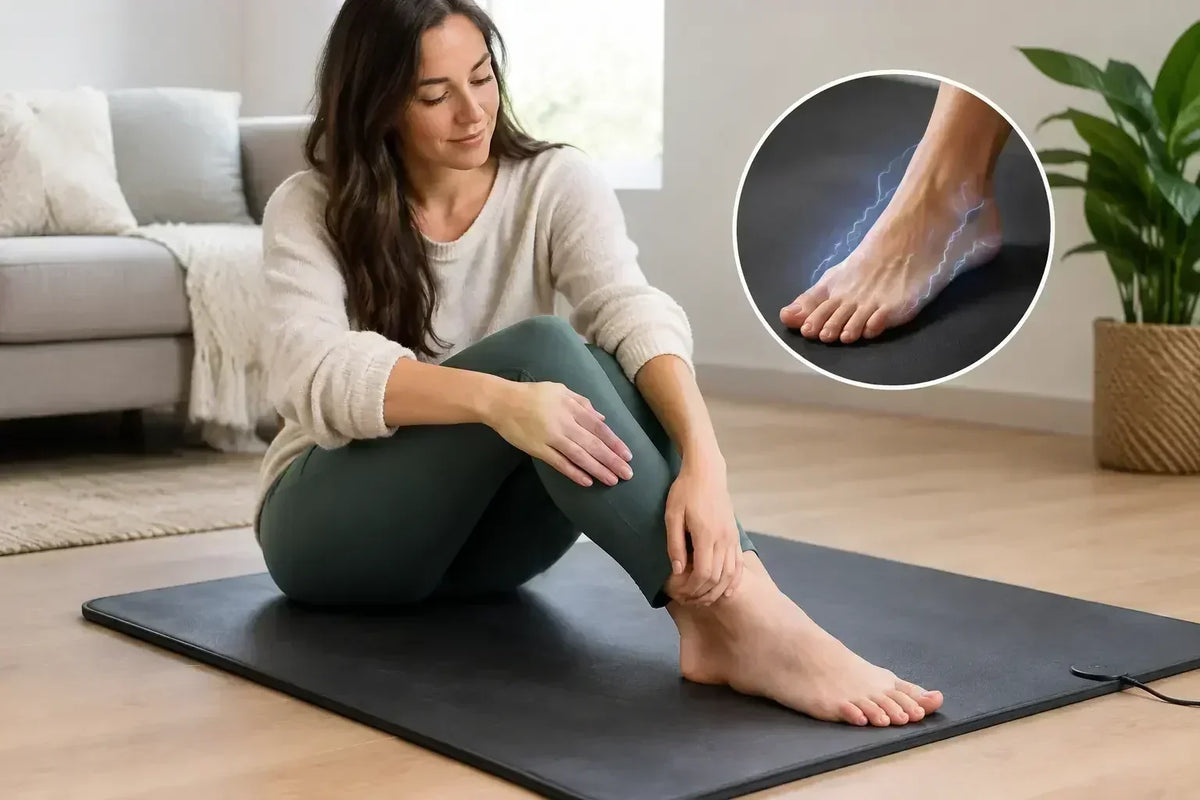
The basic theory is straightforward. The Earth has a large supply of free electrons, and conductive contact with it may influence electrical charge on the body. Indoor grounding products are designed to provide a conductive connection to the ground port of a correctly wired outlet. This is different from plugging into electricity: the product should connect only to ground, not to the live electrical current.
Small studies and pilot research have explored grounding in relation to sleep, cortisol rhythms, pain, stress, and inflammation. Some findings suggest potential changes worth investigating, but the existing evidence has meaningful limitations. Studies are often small, use different methods, and cannot establish that grounding will improve sleep for every individual. Larger, independent, well-controlled trials are needed.
That uncertainty does not make personal experimentation unreasonable. It means setting sensible expectations. You may notice that a grounding sleep setup becomes a useful cue to slow down, or you may notice no meaningful difference. Both outcomes are possible. If you try it, change as few other variables as possible at first so you have a clearer sense of what is helping.
Sleep routine grounding guide: a simple nightly sequence
Start your wind-down about an hour before bed. Dim the lights, complete tomorrow’s essential tasks, and set aside anything that invites problem-solving. If thoughts tend to race at night, write a short list of next-day priorities on paper. The point is not to clear your mind completely. It is to stop asking your bed to hold every unfinished thought.
Next, make your bedroom comfortable for sleep. Most people sleep better in a cool, dark, quiet space, though the exact temperature and sound level are personal. Keep bedding breathable, and consider whether your mattress, pillow, or room temperature is causing you to shift or wake up.
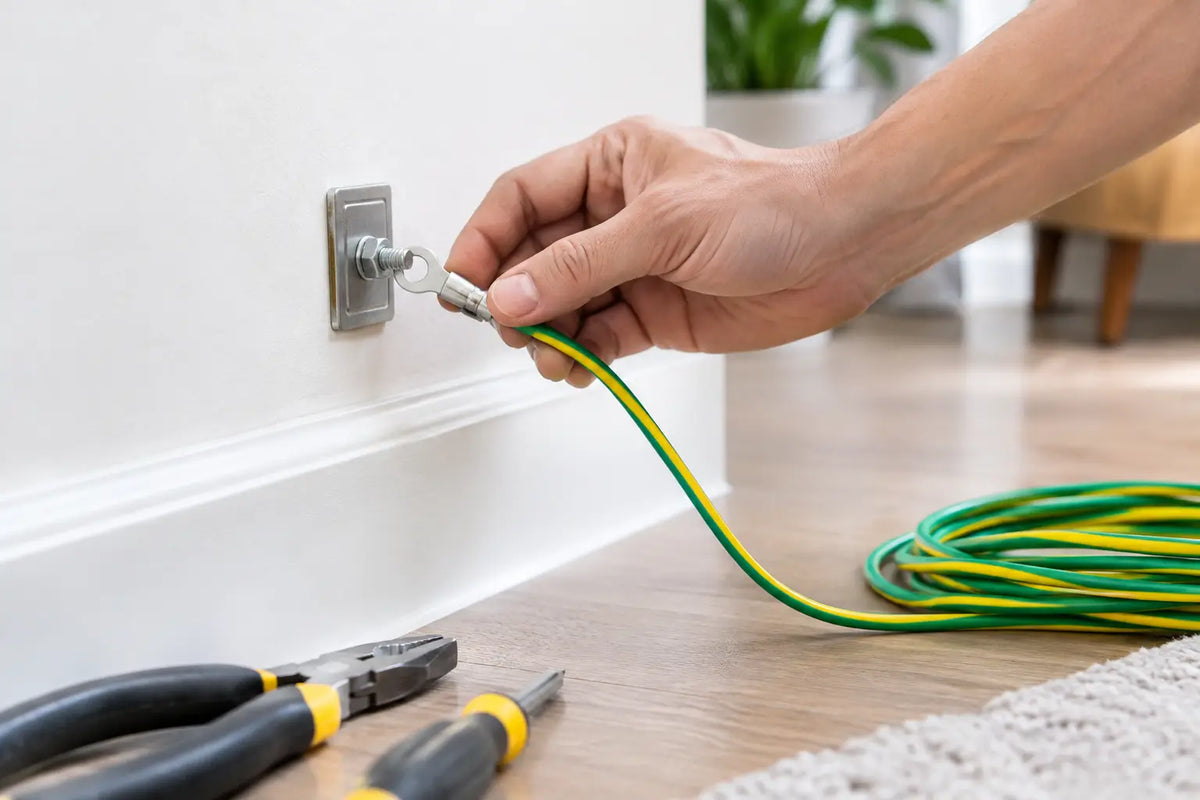
If you are using a grounding sheet, bed mat, or sleep pad, install it before bedtime rather than treating setup as part of the ritual. Follow the manufacturer’s instructions carefully. The product should lie flat, make reliable skin contact according to its intended use, and connect to a properly grounded outlet. A conductive outlet tester can help confirm that the outlet ground is functioning. Never assume an outlet is grounded based on its appearance alone.
Then give yourself a low-stimulation activity for 10 to 20 minutes. Gentle stretching, quiet reading, slow breathing, or a warm shower can work well. Avoid making relaxation another performance metric. If breathing exercises feel frustrating, read a few pages instead. If silence makes you more alert, use calm audio at a low volume.
When you get into bed, keep the experiment uncomplicated. Use the grounding product consistently for several weeks, while maintaining your usual sleep schedule as closely as practical. A simple sleep log can be more useful than relying on memory. Each morning, rate how long you think it took to fall asleep, how often you woke up, how rested you feel, and any factors that could have affected the night, such as alcohol, travel, illness, or unusually late work.
Choose the setup that matches your real habits
For full-night use, a grounding fitted sheet or sleep pad may be the most practical choice because it is easy to maintain skin contact while you sleep. A bed mat can suit someone who prefers a smaller contact area or does not want to change their entire bedding setup. If you are new to grounding, comfort and consistency matter more than buying the largest product available.
Material care matters, too. Conductive fibers need appropriate washing to retain performance. Avoid fabric softeners, bleach, and heavy lotions directly before bed when the product care instructions advise against them, as these may create a barrier or affect conductivity. Clean, dry skin and direct contact generally provide the most reliable setup.
Grounding Essentials products are intended to connect to properly grounded outlets, and checking your outlet before use is a sensible safety step. If you live in an older building, use adapters, or are unsure about your home’s wiring, have a qualified electrician assess it. Do not modify plugs, cords, or outlets to make a product fit.
What to watch for during your trial
Give your routine enough time to become familiar, but do not feel pressured to force a result. A two- to four-week trial is long enough for many people to judge whether the setup is comfortable and worth keeping. Look for trends, not one exceptional night.
Pay attention to four practical signals: how easily you settle at bedtime, how often you wake, how rested you feel on waking, and whether the routine feels easier to maintain. These are subjective measures, but they are still valuable when the goal is everyday wellbeing. Wearable sleep data can add context, although consumer devices estimate sleep rather than diagnose sleep disorders.
Stop using a product if it causes discomfort, skin irritation, or concern, and seek professional advice for persistent sleep problems. Loud snoring, gasping during sleep, severe daytime sleepiness, prolonged insomnia, or major changes in mood deserve medical attention. Grounding should sit alongside appropriate care, not delay it.
A calmer night is usually built from repeatable choices: consistent timing, a quieter bedroom, fewer demands before bed, and an approach you can sustain. If grounding interests you, add it carefully, verify your setup, and let your own experience guide the decision. Better rest does not require a perfect routine - it requires one you can return to tomorrow night.

Leave a comment
This site is protected by hCaptcha and the hCaptcha Privacy Policy and Terms of Service apply.