



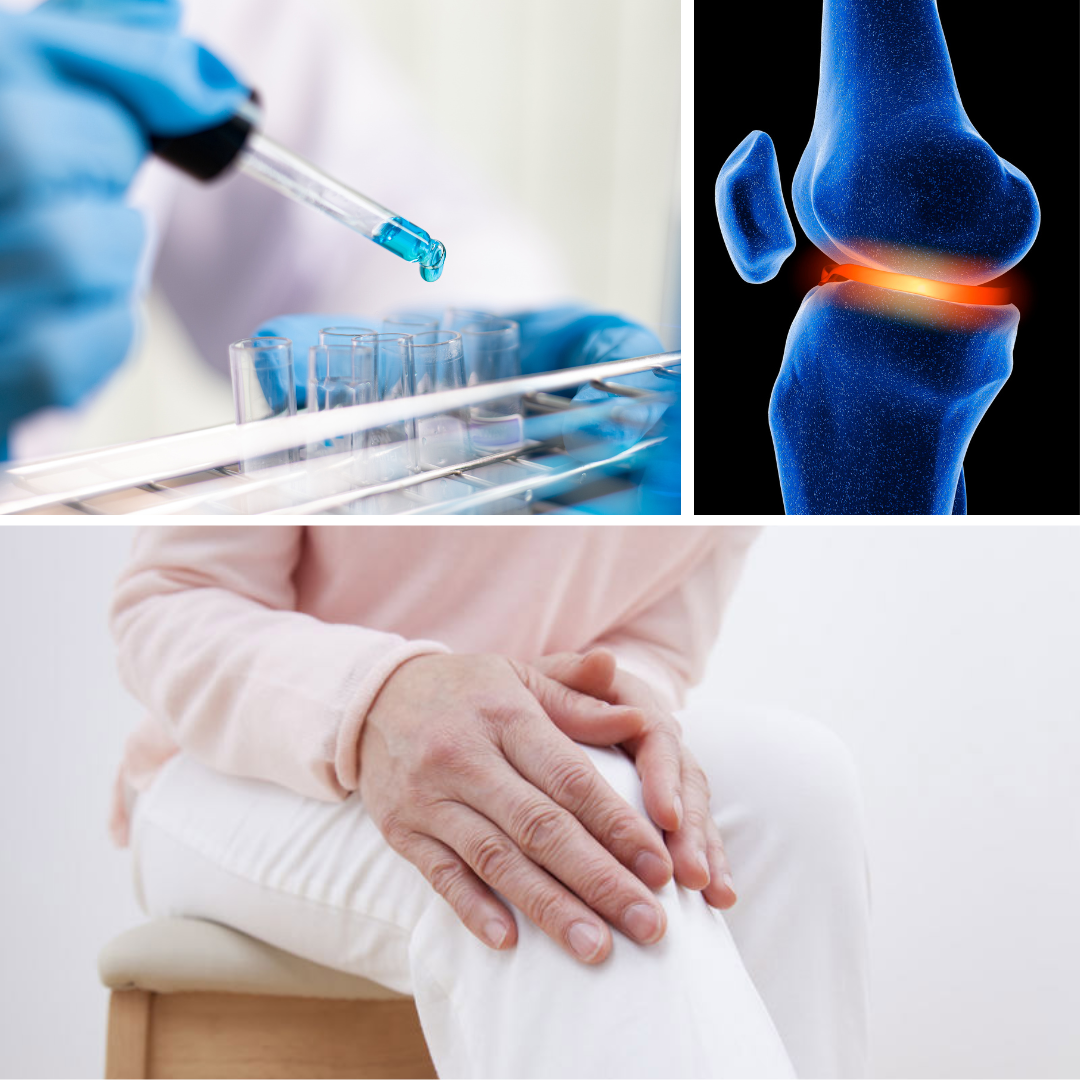
A sore, swollen joint after training. Muscles that stay tender longer than expected. A sense of being wound up when you are also trying to recover. These experiences are why grounding inflammation studies attract so much attention. They ask a practical question: can contact with the Earth's electrical potential influence processes involved in inflammation and recovery?
The honest answer is that the research is interesting, but still developing. A small body of published work suggests grounding may affect markers and mechanisms associated with inflammation, stress, circulation, and sleep. It does not yet prove that grounding treats inflammatory disease, replaces medical care, or will produce the same result for every person.
That distinction matters. It lets you explore grounding as a low-effort wellness habit while keeping your expectations rooted in what the evidence can actually support.
What researchers mean by inflammation
Inflammation is not automatically harmful. It is part of the body's normal response to infection, injury, and physical training. In the short term, it helps coordinate repair. The concern is prolonged or poorly regulated inflammation, which can occur alongside many health conditions and should be evaluated with a qualified clinician.
In research, inflammation can be assessed in several ways. Scientists may look at visible signs such as redness and swelling, measure blood markers including C-reactive protein and cytokines, examine white blood cell behavior, or track symptoms such as pain and stiffness. These measures are not interchangeable.
That is a key point when reading claims about grounding. A change in a laboratory marker, if replicated, is not the same as showing that a person with arthritis, an autoimmune condition, or chronic pain has been treated successfully. The strongest studies would measure both meaningful health outcomes and objective biological markers in large, well-controlled groups. Most grounding research has not reached that standard yet.

What grounding inflammation studies have found
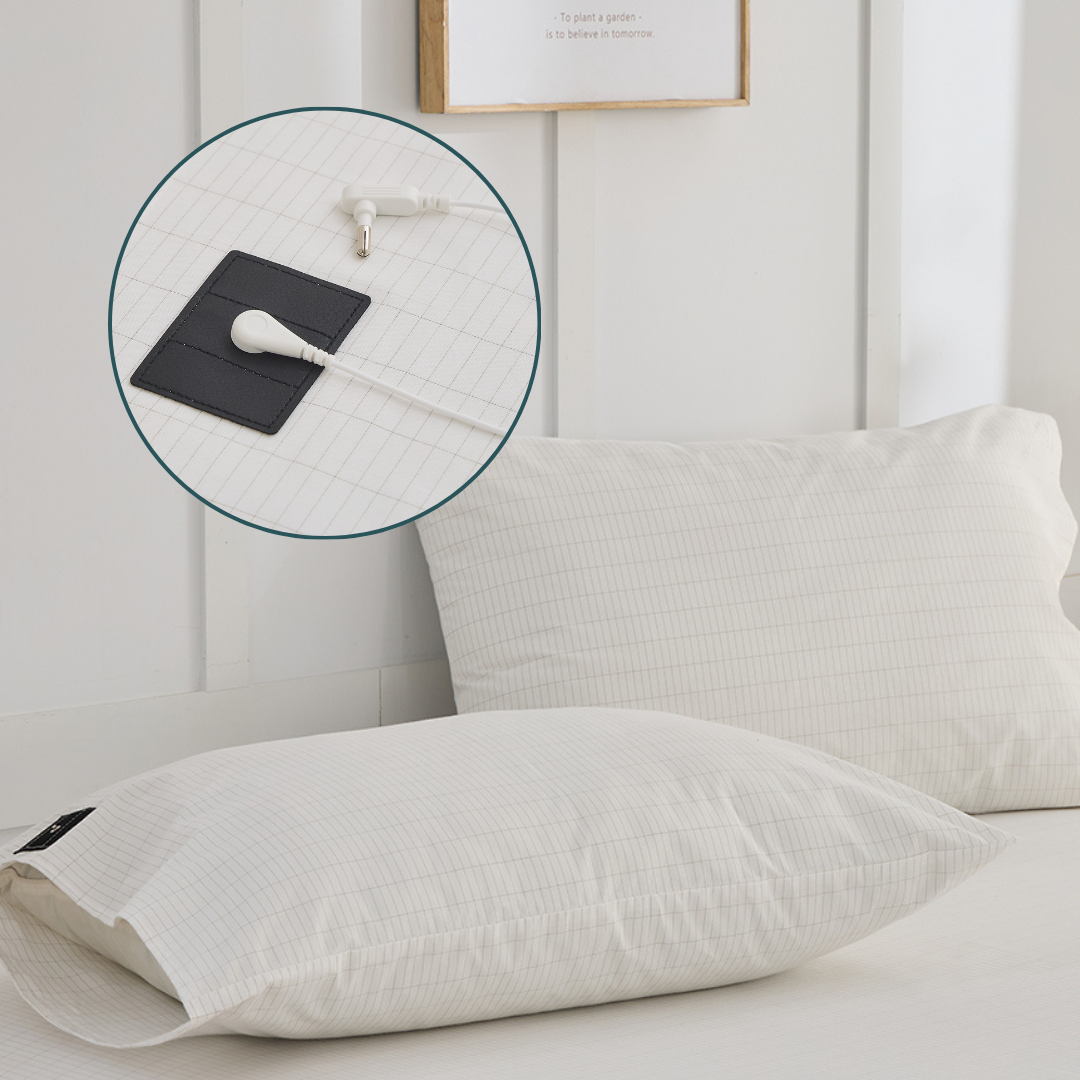
Grounding, also called earthing, means bringing the body into conductive contact with the Earth. Outdoors, that can mean bare skin on grass, soil, sand, or unsealed stone. Indoors, a grounding sheet, mat, or sleep pad connects to the grounding port of a properly grounded outlet or a grounding rod.
Several papers have proposed that grounding may influence the body's electrical environment and the movement of electrons at the skin's surface. The proposed biology is that electrons from the Earth could act as antioxidants and help moderate excessive inflammatory activity. This remains a hypothesis, not settled clinical fact.
A frequently discussed 2012 paper in the Journal of Inflammation Research described observations of changes in inflammatory signs and wound healing in grounded participants. The images and cases were compelling enough to generate interest, but case reports cannot establish cause and effect. People heal at different rates for many reasons, and a study without adequate controls cannot separate grounding from normal recovery, expectation, rest, or other changes.
Other small studies have explored related pathways. Research has reported changes in cortisol rhythm, sleep, pain ratings, blood viscosity, and autonomic nervous system measures after grounding interventions. These outcomes may be relevant to recovery because poor sleep, sustained stress, and circulation all interact with inflammatory processes. But they are indirect evidence. A lower pain score or a better night of sleep is valuable to the individual, yet it does not by itself demonstrate reduced inflammation in the clinical sense.
Some reports have also examined white blood cell activity after exercise. These findings are intriguing because strenuous activity creates a temporary inflammatory response as part of adaptation and repair. Still, the studies are generally small, and the methods, duration, participant groups, and outcomes vary widely. That makes it difficult to compare results or calculate a reliable average effect.

Why the evidence is promising, but not definitive
The research has real limitations, and being clear about them is a service to anyone considering grounding.
First, many studies involve few participants. Small samples are more likely to produce findings that do not hold up when repeated in larger, more diverse groups. Second, blinding can be challenging. If participants know they are using a grounding product, expectations may influence subjective outcomes such as pain, stress, or sleep quality.
Third, some studies are exploratory, observational, or based on case reports rather than randomized controlled trials. These designs are useful for identifying questions worth testing. They are not designed to prove a medical benefit. Funding sources and researcher affiliations also deserve transparent consideration in any emerging wellness field.
Finally, inflammation is complex. It depends on sleep, nutrition, physical activity, infections, medications, body weight, stress, smoking, alcohol use, and underlying health conditions. A grounding practice may fit into a supportive routine, but it is unlikely to outweigh the basics of health or the treatment plan recommended by your medical team.
The most accurate reading of the literature is this: grounding has plausible proposed mechanisms and early human findings worth further investigation. It needs larger, independently replicated, well-controlled studies that use recognized inflammatory markers and clinically meaningful outcomes.
How to read a grounding study without being misled
When you come across a new paper or headline, start with the study design. Was it randomized? Did it include a sham-grounded control group? Were participants and outcome assessors blinded where possible? Was the intervention long enough to reasonably test the question?
Then look at what was measured. A study that reports a change in a blood marker is different from one that reports only a feeling of improvement. Neither is useless, but they answer different questions. Check whether the researchers measured inflammation directly or used a related outcome such as sleep, stress, soreness, or circulation.
It also helps to ask who was studied. Research in healthy adults after exercise may not apply to someone managing rheumatoid arthritis, diabetes, chronic fatigue, or a recent surgery. One positive pilot study is a starting point, not a guarantee.
Be cautious with dramatic language. Phrases such as “eliminates inflammation” or “heals chronic disease” go beyond the available evidence. Responsible education should describe what was observed, identify the study's limits, and leave room for uncertainty.
A practical way to try grounding
If you are curious, approach grounding as an experiment in comfort, recovery, and routine rather than a treatment. Many people find nighttime easiest because it creates consistent exposure without adding another task to the day. A grounding sheet or sleep pad can be used while you sleep, while a desk mat may suit people who spend long hours seated.
Before using an indoor product, confirm that the outlet is properly grounded with a compatible outlet tester. Follow the product instructions exactly, connect only to the grounding port, and do not improvise with wiring, pipes, radiators, or other household fixtures. A quality product should be designed for grounding use and include clear setup guidance. Grounding Essentials, for example, provides conductive testers to help customers check an outlet before connecting a product.

Keep the rest of your recovery routine steady for two to four weeks. Aim for a consistent sleep schedule, adequate hydration, regular meals, and training appropriate for your current condition. Then note a few simple observations: how quickly you fall asleep, whether you wake during the night, morning stiffness, perceived stress, or post-exercise soreness. This will not prove a biological effect, but it can help you decide whether the practice feels useful to you.
Avoid treating your notes as a reason to stop prescribed medication or delay professional care. Seek medical advice promptly for persistent swelling, unexplained pain, fever, chest pain, shortness of breath, or symptoms that are worsening. If you have a chronic inflammatory condition, grounding can be discussed as a complementary lifestyle practice, not a replacement for diagnosis or treatment.
What a fair expectation looks like
Some users report feeling more relaxed, sleeping more comfortably, or recovering better when grounding becomes part of their routine. Those are individual experiences, and they may be meaningful without serving as scientific proof. Others notice little or no difference. Both outcomes are possible.
The value of grounding may be partly practical: it can encourage a more intentional wind-down routine, time outdoors, and attention to sleep and recovery. If it helps you create a calmer evening habit, that alone may be worthwhile. If you choose an indoor setup, prioritize correct grounding, product quality, and a realistic trial period.
Grounding inflammation studies offer a reason for curiosity, not a promise of a cure. Try it safely, keep the fundamentals of recovery in place, and let your own experience sit alongside the evidence rather than ahead of it.


Leave a comment
This site is protected by hCaptcha and the hCaptcha Privacy Policy and Terms of Service apply.