




A barefoot walk on damp grass can feel immediately calming. But what happens when it is dark, cold, raining, or you simply do not have access to a safe outdoor space? That is where the question of indoor versus outdoor grounding becomes practical, not theoretical. Both approaches aim to create an electrical connection with the Earth, yet they differ in consistency, convenience, and how easily you can make them part of daily life.
Grounding, also called earthing, is often discussed alongside sleep, recovery, relaxation, and stress management. It should be viewed as a complementary wellness practice, not a replacement for medical care, prescribed treatment, movement, nutrition, or good sleep habits. The research is promising in places, but still developing. A useful decision comes down to a simple question: which option can you use safely and consistently?
What Grounding Is Trying to Do
The Earth has a vast supply of mobile electrons and a naturally stable electrical potential. When bare, conductive skin contacts the Earth outdoors - or a properly designed indoor grounding product connected to a verified grounded outlet - the body is electrically connected to that potential.
Researchers have explored whether this connection may influence measurable factors such as body voltage, sleep patterns, stress-related markers, blood flow, and inflammation-related processes. Small clinical studies and pilot research have reported interesting findings, particularly around sleep and subjective wellbeing. However, many studies are small, and more large, independent, well-controlled research is needed before firm health conclusions can be made.
That distinction matters. You may notice that grounding helps you feel more relaxed or sleep more comfortably, but an individual experience is not proof of a medical effect. Think of grounding as one potentially supportive part of a broader routine.
Outdoor Grounding: Direct Contact With the Earth
Outdoor grounding is the original form of the practice. It usually means touching a conductive natural or grounded surface with bare skin. Wet grass, moist soil, sand, untreated concrete that is in direct contact with the ground, and natural bodies of water can all be conductive under the right conditions.
For many people, the appeal is bigger than electrical contact alone. A walk outdoors can bring daylight exposure, gentle movement, fresh air, a break from screens, and a moment of attention away from a demanding schedule. Those factors can support wellbeing on their own, making it difficult to separate the effect of grounding from the wider experience of being outside.
The advantages of grounding outdoors
Outdoor grounding is simple and requires no equipment. A few minutes standing barefoot in a yard, sitting with your feet on sand, or gardening with bare hands can feel accessible and restorative. It also gives you a direct connection to the Earth rather than a connection through an indoor grounding system.
It can be especially appealing if you already spend time outside. Runners cooling down in a park, parents watching children play, or gardeners working in soil may find that grounding fits naturally into activities they already enjoy.
The limitations of outdoor grounding
The biggest trade-off is reliability. Weather, temperature, footwear, urban living, work schedules, mobility, and personal safety can all make daily outdoor contact difficult. Dry soil is less conductive than moist soil, while asphalt, rubber-soled shoes, synthetic turf, painted surfaces, and elevated decks may not provide the same connection.
Outdoor grounding also tends to happen in short windows. That may be enough for someone who enjoys a daily barefoot routine, but it does not offer the same opportunity for overnight use during sleep or for several hours at a desk.
Indoor Grounding: Built for Consistency
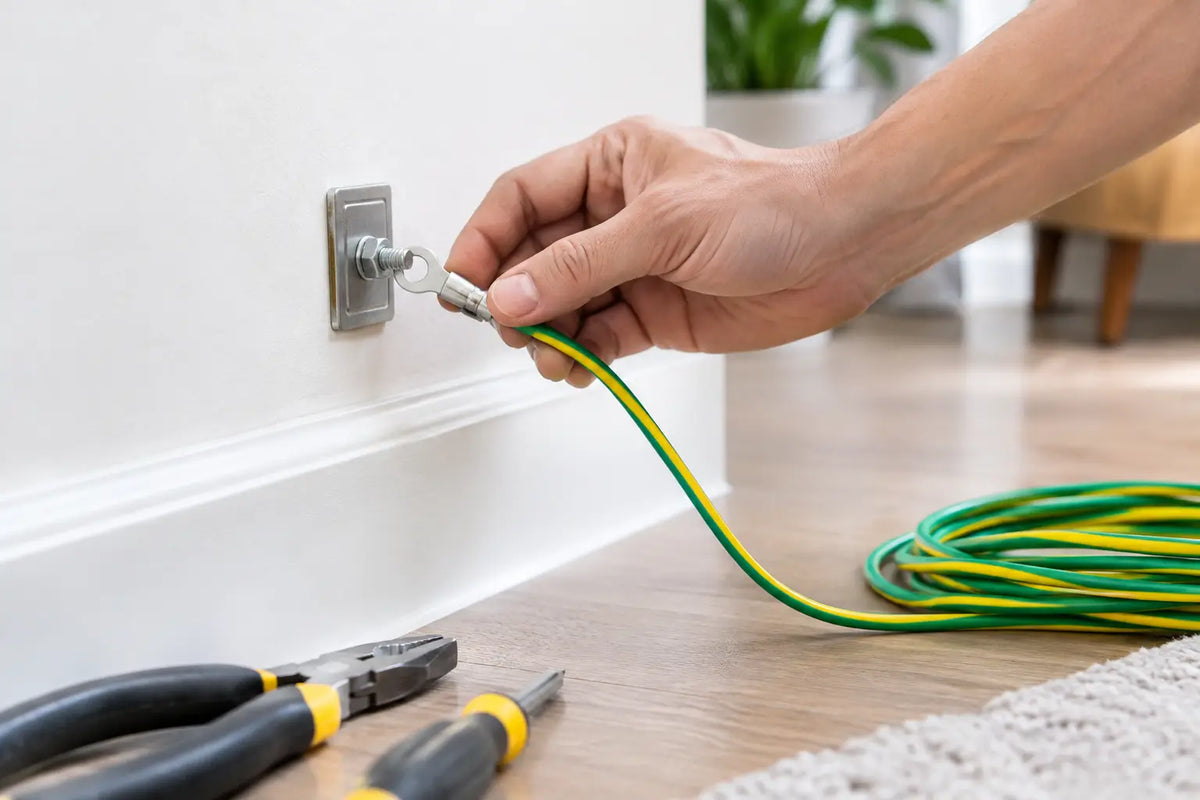
Indoor grounding products are designed to make grounding more available at home or work. A grounding sheet, mat, sleep pad, or pillowcase contains conductive materials that connect through a cord to the ground port of a properly grounded electrical outlet. The connection uses the outlet's grounding system only. It does not use household electrical power to send electricity into your body.
This setup can provide a more predictable way to maintain electrical connection while resting, sleeping, reading, or working. For people with demanding schedules, apartment living, long winters, limited outdoor access, or recovery needs that make barefoot walking difficult, this convenience is often the main benefit.
Why setup matters more indoors
An indoor product is only as useful as its connection. Before use, verify that the outlet is properly grounded with a suitable outlet tester or a compatible grounding tester. Not every outlet has a functioning ground, even if it appears modern or has a three-prong design.
Follow the product instructions carefully. Use the supplied cord, keep the connection dry, and do not alter plugs, wiring, or outlets yourself. If you are uncertain about your home's electrical installation, ask a qualified electrician. People with implanted medical devices or specific medical concerns should also speak with their healthcare professional before adding any electrical wellness product to their routine.
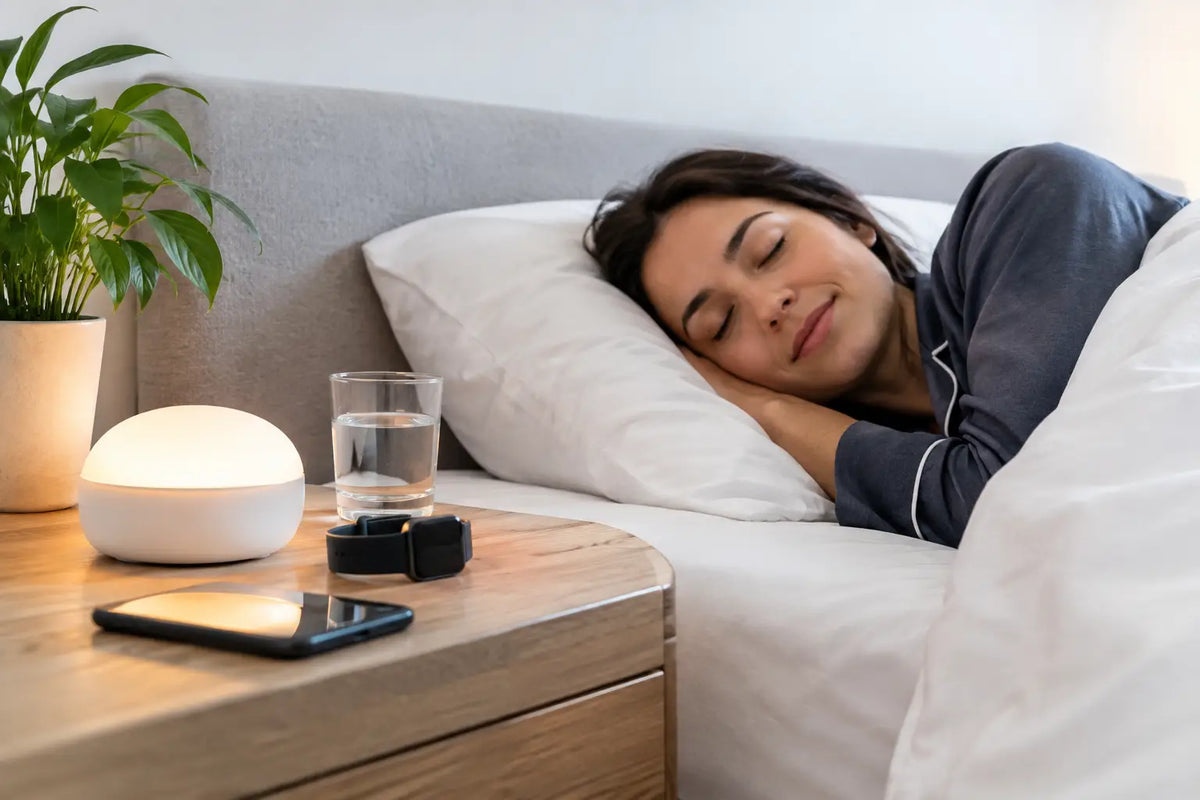
A correctly set up grounding product can be especially useful during sleep because it provides a long, passive period of contact. That does not mean longer is automatically better or that everyone will feel a difference. It means the routine is easier to repeat night after night.
Indoor Versus Outdoor Grounding: The Real Differences
Neither method is universally better. Outdoor grounding offers a direct, low-tech experience and may bring the broader benefits of time in nature. Indoor grounding offers control and continuity, particularly when you want to use it during sleep or while working indoors.
The clearest difference is not necessarily the type of connection. It is consistency. A person who spends 20 relaxed minutes barefoot outside every day may prefer outdoor grounding. A person who rarely gets outdoors during daylight, lives in a high-rise apartment, or wants support for an established bedtime routine may find an indoor sheet or mat more realistic.
There is also a measurement difference. Indoor grounding can make it easier to observe a reduction in induced body voltage with an appropriate meter and a correctly grounded setup. This measurement confirms an electrical change in that moment. It is not, by itself, a diagnosis, a health score, or proof that a product will deliver a specific wellness outcome.
What the Research Can and Cannot Tell You
Research on grounding has examined sleep, pain perception, stress physiology, cortisol rhythms, circulation, and other outcomes. Some published studies report positive changes, and these findings justify further investigation. At the same time, the field has limitations: sample sizes are often small, protocols vary, and blinding can be challenging when participants know they are using a grounding intervention.
That means responsible language matters. It is reasonable to say grounding may support relaxation, sleep routines, or recovery for some people. It is not responsible to claim that it treats disease, cures chronic pain, replaces medication, or guarantees better sleep.
Personal experiences can still be useful. If you try grounding and notice you unwind more easily at bedtime, that observation matters for your routine. Just keep the context in view. Changes in screen habits, bedtime consistency, exercise, caffeine, stress, and room temperature can also influence how you feel.
How to Choose the Right Approach
Start with the simplest option you can genuinely maintain. If you have a safe outdoor space and enjoy being outside, try a short barefoot routine on a suitable natural surface. Pair it with an existing habit, such as morning sunlight, an afternoon break, or watering the garden.
If consistency is your priority, consider an indoor option that matches the time you spend in one place. A desk mat may suit someone who works at a computer. A grounding sleep pad or fitted sheet may suit someone who wants to explore grounding as part of a calming bedtime environment. Choose products with clear care instructions, durable conductive materials, and a way to verify the outlet connection.
Keep a simple note for two to four weeks. Record when you used grounding, whether it was indoors or outdoors, and any changes you notice in relaxation, comfort, or sleep quality. Avoid changing ten habits at once. A modest, repeatable experiment tells you more than a dramatic first impression.
A Few Practical Safety Checks
Use outdoor grounding only in safe areas. Avoid exposed electrical equipment, storm conditions, contaminated ground, sharp debris, extreme temperatures, and locations where barefoot walking is unsafe. Do not assume every outdoor surface is conductive.
For indoor use, test the outlet ground before connecting your product. Never use damaged cords or products, never improvise an electrical connection, and never connect grounding products to anything other than the intended grounded outlet or approved grounding point. Clean and care for conductive textiles according to their instructions, since lotions, fabric softeners, and harsh detergents can affect performance over time.
The most useful choice is often the one that fits your real life. Enjoy barefoot time outdoors when you can, and use a properly verified indoor setup when routine and comfort call for it. Grounding does not need to be complicated: start safely, stay curious, and pay attention to what supports your wellbeing over time.

Dejar un comentario
Este sitio está protegido por hCaptcha y se aplican la Política de privacidad de hCaptcha y los Términos del servicio.