




A high blood pressure reading can make every wellness claim feel urgent. If you are wondering, can grounding lower blood pressure, the honest answer is that grounding may support factors related to blood pressure for some people, but the clinical evidence is not strong enough to consider it a proven treatment for hypertension.
That distinction matters. Grounding, also called earthing, is best explored as a complementary wellness practice alongside the lifestyle habits and medical care known to support cardiovascular health.
Can Grounding Lower Blood Pressure?
Grounding means creating a conductive connection between your body and the Earth. Outdoors, that can mean walking barefoot on grass, soil, or sand. Indoors, products such as a Grounding Bed Sheet, Grounding Bed Mat, Grounding Mat, or Grounding Pad connect to the grounding part of a properly grounded electrical outlet.
Researchers have explored whether grounding may influence factors related to sleep, stress, inflammation, circulation, and autonomic nervous system activity. These areas can overlap with blood pressure regulation.
However, that does not mean grounding has been proven to lower blood pressure.
Blood pressure is influenced by many factors, including age, genetics, body weight, kidney function, medications, sodium intake, alcohol, physical activity, sleep, stress, and underlying health conditions. A lower reading after a relaxing grounding session does not prove that grounding caused the change.
Current grounding research includes small studies, pilot studies, case reports, and review articles. Some findings suggest possible effects on stress, sleep, cortisol patterns, circulation, and blood-related measurements. Grounding Essentials also references a 2018 case-series study involving people with hypertension, but studies of this type cannot establish a reliable treatment effect. Larger, well-controlled clinical trials are still needed.

Why Grounding Could Still Be Relevant
Blood pressure naturally changes throughout the day. Stress, poor sleep, pain, inactivity, alcohol, sodium intake, and many other factors can influence individual readings.
For some people, grounding may be most useful as part of a routine that encourages relaxation and consistency.
That might mean spending a few quiet minutes barefoot outdoors, using a Grounding Mat while relaxing in the evening, or incorporating a Grounding Bed Mat or Grounding Bed Sheet into a regular sleep routine.
If grounding helps you feel calmer, sleep more comfortably, or create a more consistent wind-down routine, those habits may complement other approaches that support cardiovascular health.
A sensible expectation is not, “grounding will lower my blood pressure.” A better approach is, “grounding may be a calming, low-effort addition to a broader wellness routine.”
What the Research Can and Cannot Say
Research into grounding deserves both curiosity and caution.
Studies have reported physiological changes associated with grounding, including changes in sleep-related measures, cortisol patterns, body voltage, and blood properties. Some researchers have proposed that these effects may be relevant to circulation and cardiovascular function.
However, several limitations remain.
Many studies involve small numbers of participants. Grounding methods and outcome measures vary, and some research examines short-term physiological markers rather than diagnosed hypertension or long-term cardiovascular outcomes.
This makes it difficult to know whether grounding leads to a clinically meaningful change in blood pressure or whether any effect would apply broadly.
Blood pressure measurements can also vary for reasons unrelated to grounding. Caffeine, recent exercise, stress, talking during the measurement, a full bladder, poor positioning, and an incorrect cuff size can all affect a reading.
A single lower number after grounding should therefore be interpreted cautiously.
How to Try Grounding Responsibly
If you want to explore grounding, choose a product that fits naturally into your routine.
For Overnight Grounding
A Grounding Bed Sheet provides direct contact with conductive fabric while you sleep.
A Grounding Bed Mat sits beneath a compatible fitted sheet and can be useful if you prefer to keep your existing bedding.
A Grounding Half Sheet or Grounding Pillowcase may suit people who want a smaller conductive sleeping surface.

For Daytime Grounding
A Grounding Mat can be used beneath bare feet while working, reading, or relaxing.
A Grounding Mouse Mat provides a convenient option for maintaining contact through your hand or wrist while working at a computer. Grounding Essentials currently offers a dedicated mouse mat designed to connect through the grounding port using the supplied cord and plug.
A Grounding Pad is another compact option for resting a hand, arm, foot, or other area of bare skin against a conductive surface.

Check the Setup Before Use
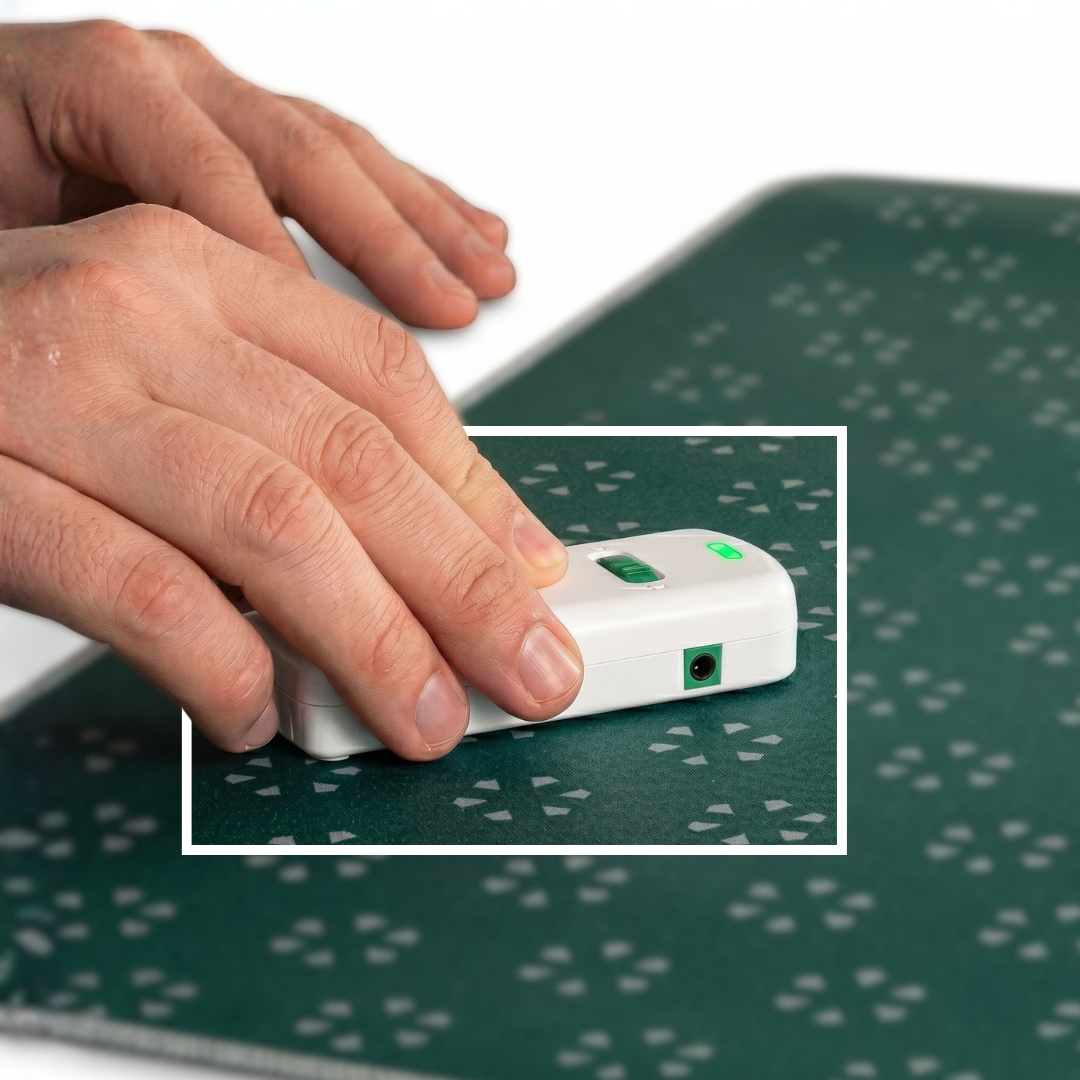
Before connecting an indoor grounding product, check your outlet with a Grounding Socket Tester.
A Grounding Conductive Tester serves a different purpose. It can be used to check whether a compatible grounding product has a conductive surface and connection. Grounding Essentials offers both types of tester as separate tools.
In simple terms:
- Socket Tester: checks the outlet
- Conductive Tester: checks the grounding product
Do not improvise wiring, alter grounding plugs, or use damaged cords. If you are uncertain about your home wiring, ask a qualified electrician.
How to Track Your Blood Pressure Fairly
If you already monitor your blood pressure at home, try to keep your measurement routine consistent.
Use a validated upper-arm monitor and measure at similar times of day. Sit quietly beforehand, support your arm appropriately, and follow the instructions supplied with your monitor.
Look at trends rather than focusing on one unusually high or low reading.
If you are trying grounding at the same time, keep other major lifestyle changes relatively stable where possible. Starting a new exercise program, changing medication, reducing sodium, quitting alcohol, improving sleep, and beginning grounding all at once makes it difficult to know what influenced the result.
You may also want to note factors such as sleep quality, stress, exercise, illness, alcohol use, and medication changes alongside your readings.
Do Not Change Blood Pressure Treatment on Your Own
If you have been diagnosed with high blood pressure, continue taking prescribed medication unless your healthcare professional advises otherwise.
Do not reduce or stop medication because you feel better after grounding or notice a few lower readings.
Persistent high blood pressure deserves professional medical guidance. If you are concerned about an unusually high reading or have symptoms such as chest pain, difficulty breathing, weakness, confusion, or vision changes, seek appropriate medical care promptly.
Grounding should complement medical care, not replace it.

The Habits That Matter Most
Grounding works best when it supports proven health habits rather than distracting from them.
Regular movement, nutritious food, appropriate sodium intake, adequate sleep, stress management, moderating alcohol, avoiding tobacco, and following prescribed treatment remain central to blood pressure management.
Grounding can fit around these basics in a way that feels natural.
You might use a Grounding Mouse Mat during a calm work session, rest your feet on a Grounding Mat in the evening, or use a Grounding Bed Mat or Bed Sheet as part of your overnight routine.
If grounding helps you feel more relaxed, sleep more consistently, or stay engaged with the rest of your wellness routine, that can still be a useful outcome.
Keep expectations realistic, measure carefully, and let your healthcare professional guide decisions about blood pressure treatment.


Leave a comment
This site is protected by hCaptcha and the hCaptcha Privacy Policy and Terms of Service apply.